





Rome (Italy). On 13 February 2026, Pope Leo XIV’s Message for Lent, which will begin on March 18, Ash Wednesday, was released.
“Listening and Fasting. Lent as a Time of Conversion” is the theme of this first Message from Pope Leo, who describes Lent as “the time when the Church, with maternal solicitude, invites us to place the mystery of God back at the center of our lives, so that our faith may regain momentum and our hearts may not be lost amid the worries and distractions of everyday life.” And as a journey of conversion, which begins when “we allow ourselves to be touched by the Word and welcome it with docility of spirit.”
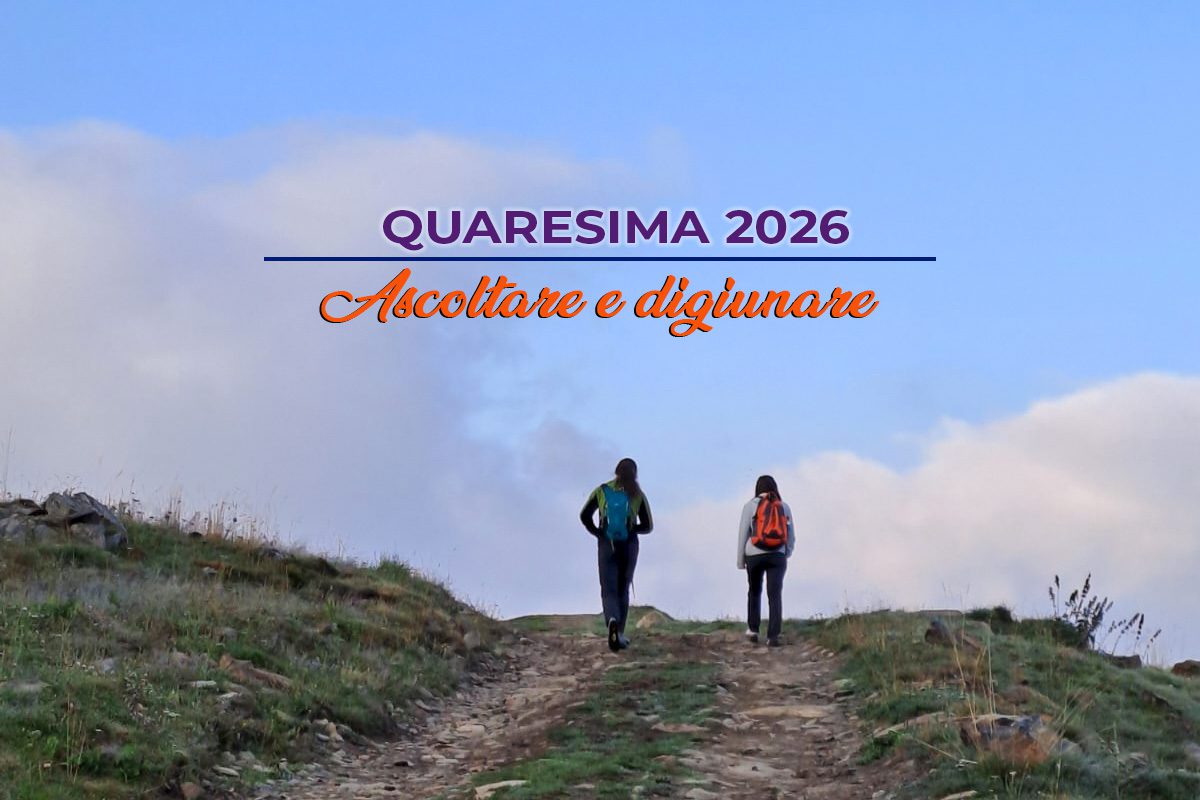
The Lenten journey then becomes “a propitious occasion to listen to the voice of the Lord and renew the decision to follow Christ, walking with Him on the path that leads up to Jerusalem, where the mystery of His passion, death and resurrection is fulfilled.”
To accompany us on this journey, the Holy Father calls attention to three movements inherent in the acceptance of the Word of God:
Listening, to make room for the Word. The willingness to listen, says the Pope, “is the first sign of the desire to enter into relationship with others.” The first to listen in order to enter into relationship with humanity was God, who heard the cry of the oppressed and, revealing Himself to Moses in the burning bush, involved him in his plan of salvation. Listening is therefore a distinctive trait of God, who, through the liturgy, teaches us to listen more truly to reality, to listen like Him, to recognize the cry of oppressed humanity.
Fasting, as a concrete practice that prepares us to welcome the Word. The practice of fasting is concerned—both concretely and metaphorically—with “hunger,” with the need to nourish the body, to satisfy the appetite: “It therefore serves to discern and organize the ‘appetites,’ to keep the hunger and thirst for justice alert, drawing it away from resignation, and instructing it to become prayer and responsibility toward others.”
Beyond the earthly aspect, citing St. Augustine, Pope Leo extends the horizon to the tension between the present time and future fulfillment. From this perspective, fasting “allows us not only to discipline desire, to purify it and free it, but also to expand it, so that it turns to God and is oriented toward good action.” So that it does not remain a mere ascetic practice, which risks inflating the heart with pride, fasting requires faith and humility. It must be nourished by the Word of God, to be rooted in communion with the Lord. A more sober lifestyle is the visible sign of this interior commitment “to withdraw ourselves, with the support of grace, from sin and evil.”
Along these lines, the Pope’s proposal is very concrete. Using an expression he has already accustomed us to, he invites us to disarm our language — renouncing harsh words, snap judgments, speaking ill of those who are absent and unable to defend themselves, and slander — and, to compensate, to learn to measure our words and cultivate gentleness: “in our families, among friends, in the workplace, on social media, in political debates, in the media, in Christian communities. Then many words of hate will give way to words of hope and peace.”
Together is the adverb that specifies the communal dimension of the two previous actions—listening to the Word and the practice of fasting—an essential dimension already highlighted in the Scriptures, where it is the people who gather, listen, and fast together, to renew their covenant with God.
“Likewise, our parishes, families, church groups, and religious communities are called to undertake a shared journey during Lent, in which listening to the Word of God, as well as the cry of the poor and the earth, becomes a form of common life, and fasting sustains genuine repentance.”
Pope Leo concludes his Message by summarizing these concepts in a genuine program, which becomes a prayer for living Lent well, “Let us ask for the grace of a Lent that makes our ears more attentive to God and to the least fortunate. Let us ask for the strength of a fast that also touches our tongues, so that hurtful words may diminish and there may be more room for the voice of others. And let us strive to ensure that our communities become places where the cry of those who suffer is welcomed and listening generates paths of liberation, making us more ready and eager to contribute to building the civilization of love.”
The Dicastery for Promoting Integral Human Development has made available an infographic, in several languages, summarizing the Message.