


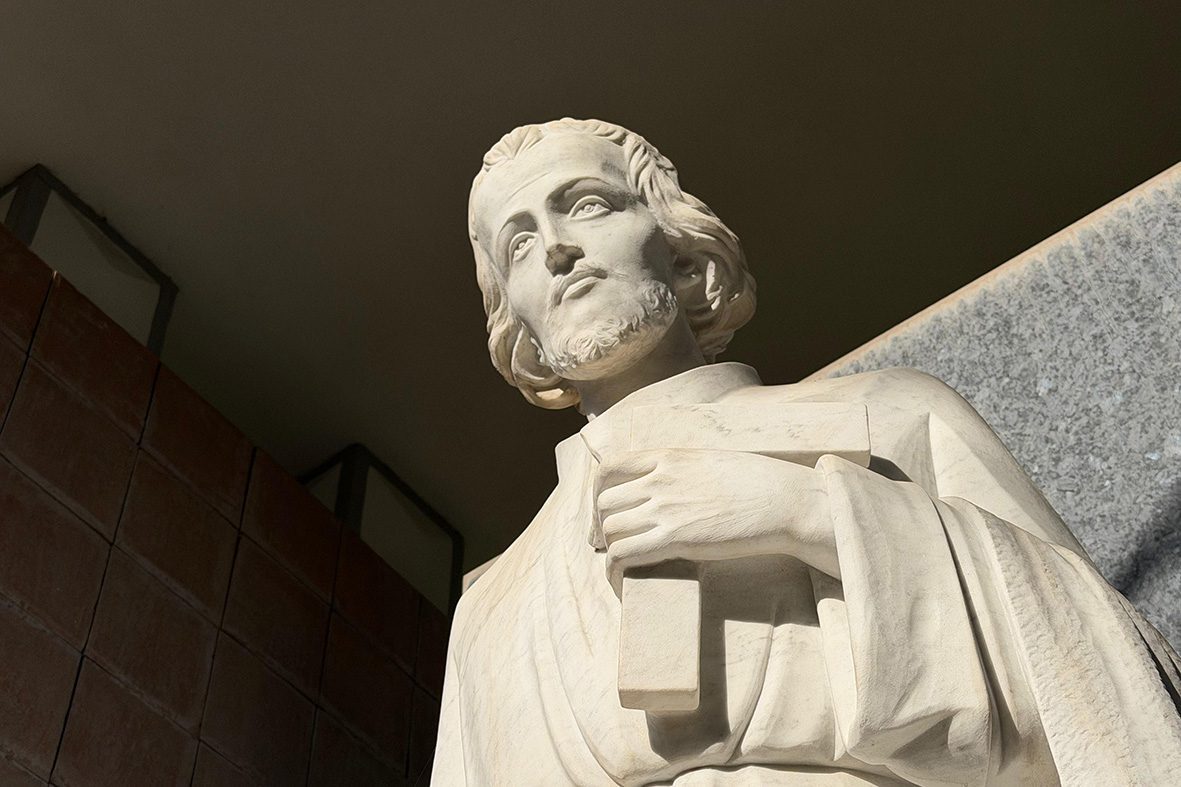
Rome (Italy). On 1 May 2026, Labor Day is celebrated in Italy and in many other nations. In 1955, Pope Pius XII instituted the liturgical memorial of Saint Joseph the Worker on this day, to offer a model of holiness and dignity in daily work.
In Salesian spirituality, the pairing of work and temperance constitutes a “way of life,” affirms Fr. Luigi Ricceri, the sixth Successor of Don Bosco, clarifying that, according to Don Bosco’s thought, “these are not two separate or separable virtues; they constitute an indivisible whole” (“Work and Temperance” Against Gentrification, October 1974).
“Through work, we become more fully human; our humanity blossoms, and the young mature into adults,” thus reads the Apostolic Exhortation Dilexi Te (No. 115). This sentiment was linked by Pope Leo XIV during an audience with representatives of the Order of Labor Consultants for the “protection of human dignity,” as he reminded his audience that “at the center of any work-related dynamic, one must place neither capital, nor market forces, nor profit, but rather the human person and the family, along with their well-being, to which all else is subordinate (18 December 2025).
In the age of artificial intelligence, in which technological innovation “can be a form of participation in the divine act of creation” at the service of humanity, to “develop systems that reflect justice, solidarity, and authentic respect for life” (Message to the participants of the Builders AI Forum, 6-7 November 2025), work can become increasingly humanizing or increasingly alienating. It will depend on the vision of humanity one seeks to express, and, by extension, on politics, economics, and culture. For this reason, education stands as a priority challenge, for it can serve as a driving force for social transformation.
Don Bosco and Mother Mazzarello educated, as is well known, “good Christians and honest citizens.” The legacy of the Preventive System, lived out and translated into works of every kind was, and remains, the strength of many Salesians and Daughters of Mary Help of Christians, particularly in mission lands.
In 1933 Saint Maria Troncatti (1883 – 1969) – Canonized by Pope Leo XIV on 19 October 2025, wrote to her mother and family members: “These last two months, April and May, have been months of immense work. You might ask me, ‘But what do you do to have so much work?’ Here in the forest, one has to do everything: I am a dentist, surgeon, physician, pharmacist, nurse, etc.; furthermore, I devote myself to catechesis.” (Letter 35)
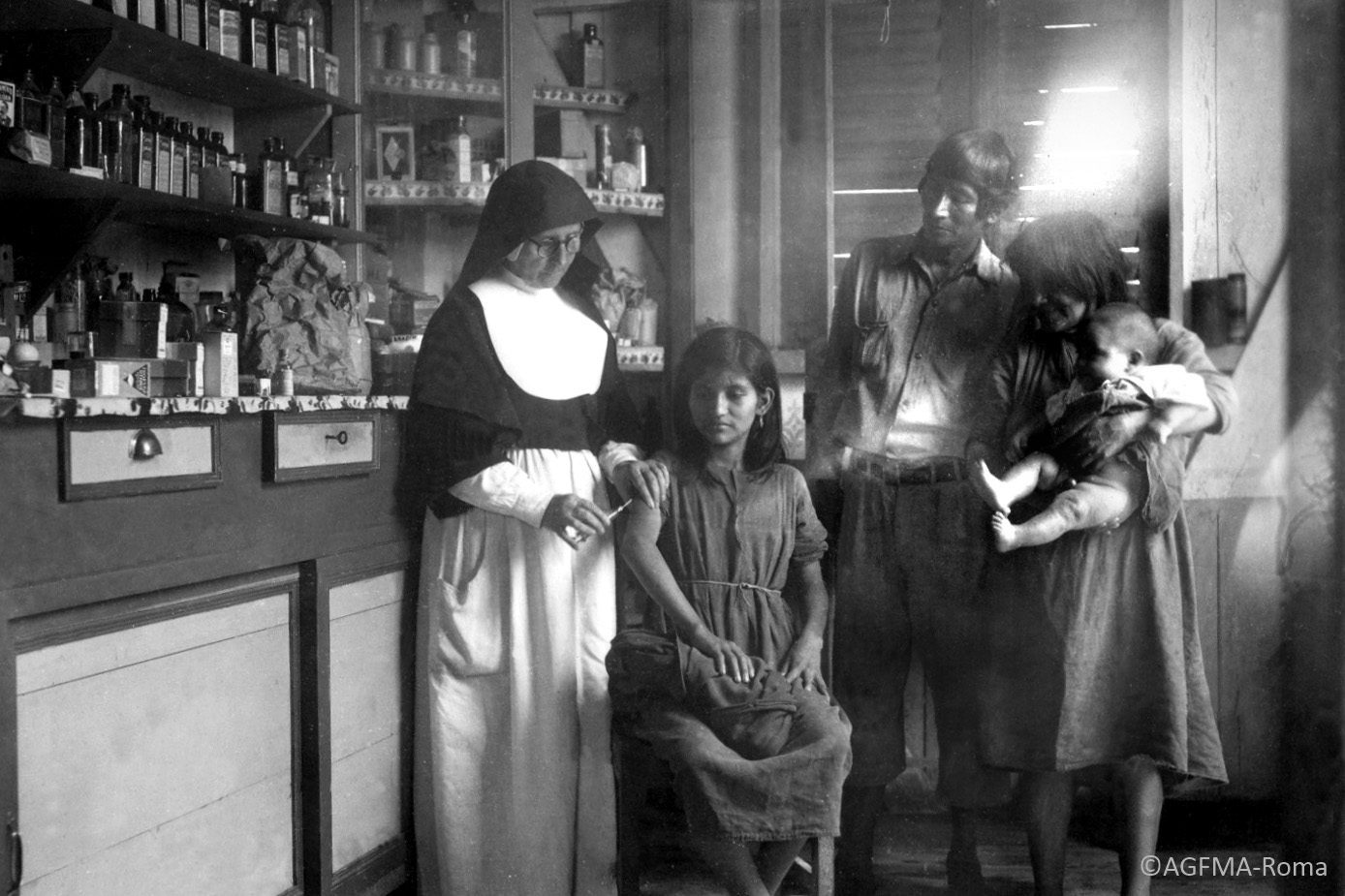
In 1953, writing to the readers of the magazine “Gioventù Missionaria”, she stated: “All the patient and diligent care of the Missionaries is directed toward these poor little indigenous girls, aiming to transform them little by little, after years upon years of work, into entirely new beings. Indeed, when they eventually leave the Mission as adults to start families of their own, they are utterly unrecognizable. Not only do they present themselves as well-groomed, serene, and poised, instructed in the catechism and diligent in prayer and the reception of the Sacraments, but they also possess a wealth of practical knowledge: specifically, the skills most essential for civilized domestic life, washing, ironing, sewing, mending clothes, and cooking. The most intelligent among them even know how to cut and tailor men’s clothing. They know and observe the most basic rules of etiquette; they are conscious of their own superiority over others, and they love to be addressed as ‘señoritas’ [young ladies].” (Letter 51)
Like all Daughters of Mary Help of Christians in every context, Sister Maria knows that the education of women gives rise to a different society through the families that these “completely new creatures” will form. When it is possible to engage in work in a creative, responsible, and dignified manner, the individual can express herself and fulfill her vocation, thereby contributing decisively to the transformation of the world.
Pope Leo XIV, in Dilexi Te, also writes, “The most important help for a poor person is to assist them in securing a good job, so that they may earn a livelihood more befitting their dignity by developing their abilities and offering their personal effort.” (No. 115)
In a time of great conflict and growing imbalances, the humble and silent example of so many missionaries, men and women alike, bears witness to a dedication and selflessness reaching the heights of heroism and martyrdom, but also to the daily commitment to work alongside the poor and in order to offer them opportunities for redemption.
Saint Maria Troncatti, mother, missionary, and artisan of peace and reconciliation, stands as an example of this wise blend of work and apostolic mission, the proclamation of the Gospel and social advancement, action and contemplation, a blend so successful that, in 1965, at the age of 82, she wrote, “I am ever happier to be a missionary!”.