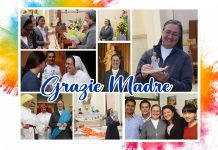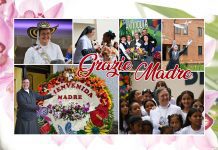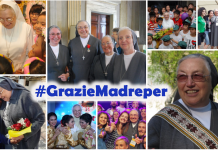


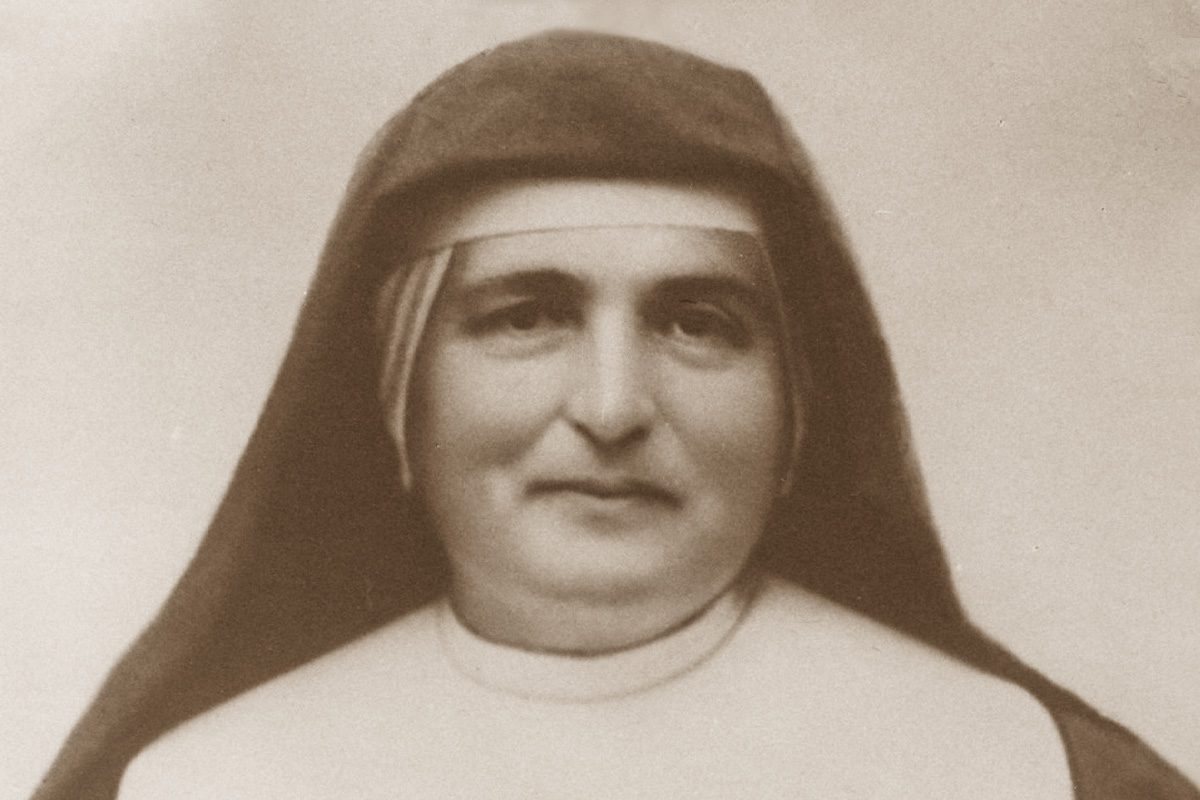
Rome (Italy). 15 November 2025, marks the liturgical memorial of Blessed Maddalena Caterina Morano (1847 – 1908), Daughter of Mary Help of Christians, pioneer of Salesian educational work for women in Sicily.
Of her life – 61 years – she spent the first 35 years in Piedmont. In 1878, she was welcomed, at the direction of St. John Bosco, to Mornese, to experience the life of the first FMAs. In 1881, she was chosen to be sent to direct the “Conservatory” (College) of the girls of Trecastagni, in the diocese of Catania. Over the next 25 years, she was Animator, Novice Formator, Visiting Councilor, Provincial, founding about twenty houses on the island, through which she tirelessly worked to spread Christian doctrine and culture among young women.
An event that remained in her memory dates back to the early years of her life. In Buttigliera, Maddalena began attending the kindergarten organized by a lady in her home. Accompanied by her brother Pietro, who then went on to elementary school, Maddalena would gladly go, but one day she put her foot down, screaming that she didn’t want to go anymore. Her mother accompanied her herself to better understand. It was discovered that a companion, evading the teacher’s vigilance, had been stealing her apple and eating it for some days. Naturally, the teacher intervened, and the theft never happened again. Maddalena, who had become teacher and superior, described the event as an example. “Sometimes – she commented – we see a little girl in a bad mood or in a daze. Let us investigate the cause with maternal care; let us not exacerbate it with a hasty rebuke that could compromise her education and our authority.”
Sister Elisabetta Dispenza (1868 – 1955), FMA, recounts, “It was the day of the feast of Saint Agatha and the studentate of Mary Help of Christians Institute in Catania had to go to the archbishopric to attend the procession of the patron saint. The Sister assistant had made the girls put on their uniforms before going to breakfast. A little girl stained her herself with coffee and milk. The assistant put her aside to keep her indoors and then the little girl began to cry in a corner. At that moment, Mother Morano found herself passing by and realizing that the little girl was crying and knowing the reason, she called me and said, ‘Sister Dispenza, go get a basin of water and some soap immediately’ (which I immediately did) and she herself, taking the little girl’s uniform off, cleaned it, ironed it, and put it back on the little girl, who became happy and content. She led her to the assistant and then said to me, ‘See what it takes to prevent a little girl from being in anguish for a whole day. With a simple act of charity, we have made her as happy as before’.”
Sister Rosa Magrì (1877 – 1946) declares, “She lavished all her maternal tenderness on behalf of the sick Sisters, the sick schoolgirls, and took particular care of those who were weak. To cheer up those afflicted, she used all the actions that her generous heart suggested… Her charity towards others was immense in procuring spiritual good for them.”
And she continues, “In the house in the village of Vizzini, diocese of Caltagirone, the catechism school was opened only for girls. Since there was no school for the boys, they came to pester us to educate them. Unable to please them, they even threw stones at us to force us to open the doors to them and be admitted to catechism. They said, ‘girls are taught many beautiful things and we are not. Let us in; you will see that we will be good and will not bother you anymore’. When Mother Morano came one day, we told her about the disturbances the boys were causing us. Mother, tender and moved by what she had heard, said, ‘Elsewhere they are sought, and here they wish to come, should they not be taught catechism?’ So, she gave instructions for two Sisters to go to the church to teach catechism to the boys. That school of catechism was also a breeding ground for ecclesiastical vocations because many of them became religious.”
Many other similar testimonies could be found, simple gestures that leave, “the good perfume of Christ” in those who live and remember them. Perhaps, Mother Morano, like so many Christians of all times, like so many more or less well-known saints, speaks to us of an ordinariness transfigured by the Gospel that becomes fruitful of good. Mother Morano found her strength in the faith.
Sister Angela Macchi (1875 – 1960) testifies, “All her actions were marked by a faith that made her work miracles… certain of the evangelical word, ‘Give and it will be given to you’ when the needs of the house were greater, she doubled her help towards the needy, certain of being rewarded by Divine Providence.”
Sister Angela continues, “Her prayer was intense and very fervent… she had such recollection that just seeing her invited us to the interior life… she frequently made a Holy Hour before the Blessed Sacrament even at night and from the Eucharistic Jesus, with tranquility and faith, she waited for the graces she asked for in the most difficult moments.”
Remembering this educator, Daughter of Mary Help of Christians already Blessed, we can entrust to her our loved ones and our intentions. As she used to do in life, she intercedes for everyone.