


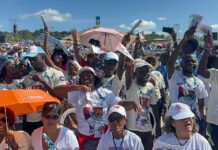
Rome (Italy). March 8, 2026, marks International Women’s Day, officially recognized by the United Nations in 1977 to draw the international community’s attention to the social, economic, and political achievements of women and to raise awareness of the discrimination, violence, and gender inequalities that still exist.
Despite progress in several areas, much remains to be done to achieve Sustainable Development Goal 5 of the United Nations 2030 Agenda, which aims to “achieve gender equality and empower all women and girls.”
Progress in this direction is still too slow, fragile, and uneven, as evidenced by some data. According to reports by UN Women and the United Nations Office against Drugs and Crime (UNODC), every 10 minutes a woman is killed by a member of her own family. In many Countries, the law permits early and child marriage, which compromises the full potential of approximately 12 million girls each year. Female representation in the workforce has remained unchanged for decades. Women and girls contribute the least to climate change, but suffer its most severe consequences.
On International Women’s Day 2026 (IWD 2026), the United Nations is promoting the campaign “Rights. Justice. Action. For ALL Women and Girls,” calling for action to break down all barriers to equal justice: discriminatory laws, weak legal protections, and harmful social norms and practices that undermine the rights of women and girls.
This International Day occurs at a time when justice systems are under pressure: conflict, repression, and political tensions are weakening the rule of law. Today, no nation has closed the legal gap between men and women. In fundamental areas of life, including work, money, security, family, property, mobility, business, and retirement, women do not enjoy the same legal rights as men.
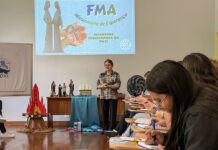
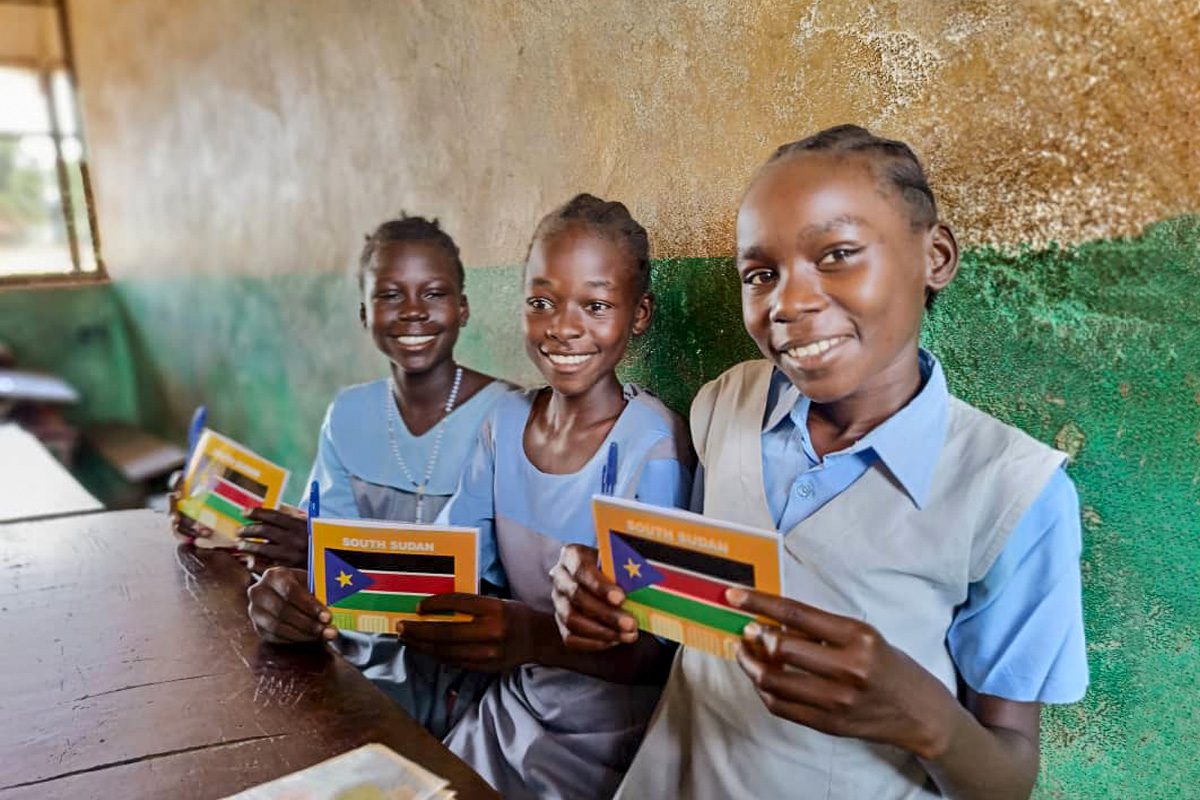
In this context of rights violations and discrimination, the FVGS Ets Foundation works every day to ensure that girls and young women supported by the Salesian Missions in Africa, Asia, Latin America, and Europe have the opportunity to study and grow in a protected environment, developing their potential. Education, in fact, is a fundamental means for women to emancipate themselves, to understand their rights, and to become aware of their role within society.
At the same time VIDES International projects are designed to address the needs of local communities with a participatory approach, placing education and individual self-determination at the center. The right to quality education, the promotion of human dignity, and the empowerment of women are fundamental values that guide VIDES’s action worldwide.
Among the most significant initiatives:
- Women’s empowerment projects: VIDES supports children, girls, and women so that they can increase their confidence and capacity for personal and professional development, thus promoting their participation in social life, in the labor market and in the communities in which they live.
- Education and formation: Through formal and non-formal education projects, VIDES promotes education as a fundamental means to transform societies and overcome gender barriers.
- Multi-congregational Observatory: an international project that brings together multiple congregations to promote girls’ rights in six Countries, with a focus on mental health and reducing the digital divide.
- Local development and inclusion initiatives: such as actions for food security and the creation of income opportunities for vulnerable women (e.g. farmers in South Sudan), which highlight women’s resilience and capacity to promote community progress.
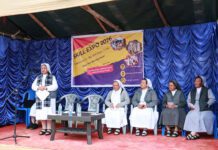
The FVGS Ets and VIDES International, in synergy with the Institute of the Daughters of Mary Help of Christians, are therefore committed to ensuring that women themselves become promoters of cultural change.
As Pope Francis has often emphasized, women are “those who make the world beautiful, who protect it, and keep it alive,” bringing “the grace that makes things new, the embrace that includes, the courage to give oneself.” It is precisely in these feminine qualities that the FVGS and VIDES International see, as Pope Francis suggested, a hope for rebirth and harmony.
On this International Women’s Day, it is important to remember that everyone is called to not turn a blind eye to any type of human rights violation and that we have a moral obligation, wherever we live, to ensure that governments take action to implement programs to promote gender equality.