









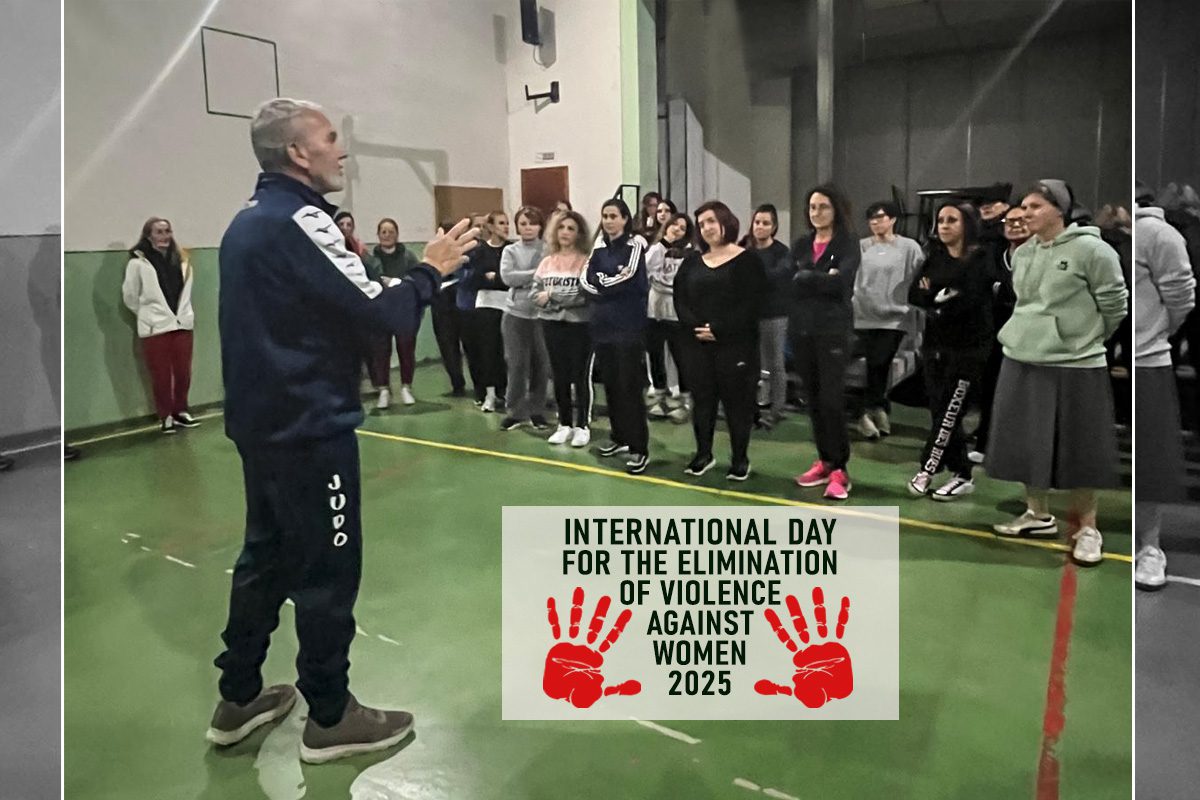
Geneva (Switzerland). November 25, 2025, marks the 26th International Day for the Elimination of Violence against Women, established by the United Nations General Assembly through Resolution 54/134 on 7 February 2000, inviting governments, international organizations, and NGOs to organize activities to raise public awareness on the issue. This date was chosen to commemorate the brutal 1960 assassination of the Mirabal sisters in the Dominican Republic, because they were considered revolutionary.
Violence against women and girls is one of the most widespread and pervasive human rights violations in the world. According to United Nations data, approximately one in three women has experienced physical or sexual violence by a partner, a non-partner, or both, at least once in their life (Source: UN).
On 25 November, United Nations Secretary-General António Guterres launched the campaign UNiTE 2025 on the theme: UNiTE to End Digital Violence against Women and Girls. The “campaign focuses on one of the fastest growing forms of abuse: digital violence against women and girls. This year also represents a reminder that digital security is an essential part of gender equality.”
This is a call for everyone to take action to stop digital violence, which affects women and girls more than men and boys. According to the United Nations, 38% of women have experienced violence online and ’85% have witnessed incidents of digital violence against others. Furthermore, misinformation and defamation are the most widespread forms of online abuse; 67% of women and girls who have experienced digital violence reported this type.
90–95% of online deepfakes consist of non-consensual pornographic images, and approximately 90% of these depict women. Seventy-three percent of female journalists reported experiencing violence online, and it is a cause for concern that less than 40% of countries have laws protecting women from cyber harassment or stalking. This leaves 44% of women and girls worldwide –1.8 billion– without any legal protection. (Concept note available in English, French e Spanish).
The 2025 campaign recalls that digital violence against women and girls requires concrete commitment from governments, tech companies, and civil society. Action must be taken every day to raise awareness, promote respect, strengthen women’s empowerment, and end this form of violence.
At the recent UN Social Forum 2025, held on 30 and 31 October, IIMA and VIDES Internazionale, through an oral statement, called on UN Member States to enforce laws protecting privacy, digital security, and gender equality, especially in policy space, and to invest in programs that train teachers and young people in the use of digital tools for active citizenship (text and video).
In Italy, a local partner of IIMA, the Daughters of Mary Help of Christians of Bibbiano, in the province of Reggio Emilia, of Our Lady of the Cenacle (ILS) offered a gratuitous course of self-defense aimed at women and girls. Rooted in the Don Bosco Preventive System, the program combines practical self-defense techniques with a path dedicated to personal value, respect, and dignity, embodying the mission of the Salesian Sisters in supporting and empowering women. In November, 60 women aged 14 and over participated in the course taught by judo and self-defense instructor Ettore Franzoni, acquiring practical skills and receiving emotional support. “I decided to take this course to feel more confident, to move on the street”, is the motivation of one of the participants, interviewed by Studio Aperto of Mediaset.
Carried out in the month of November, in which this Day falls, the course is much more than the response to a need of the territory. It is educational support to raise awareness towards equal gender rights and, for women, support to strengthen awareness of their dignity and preciousness for all humankind.