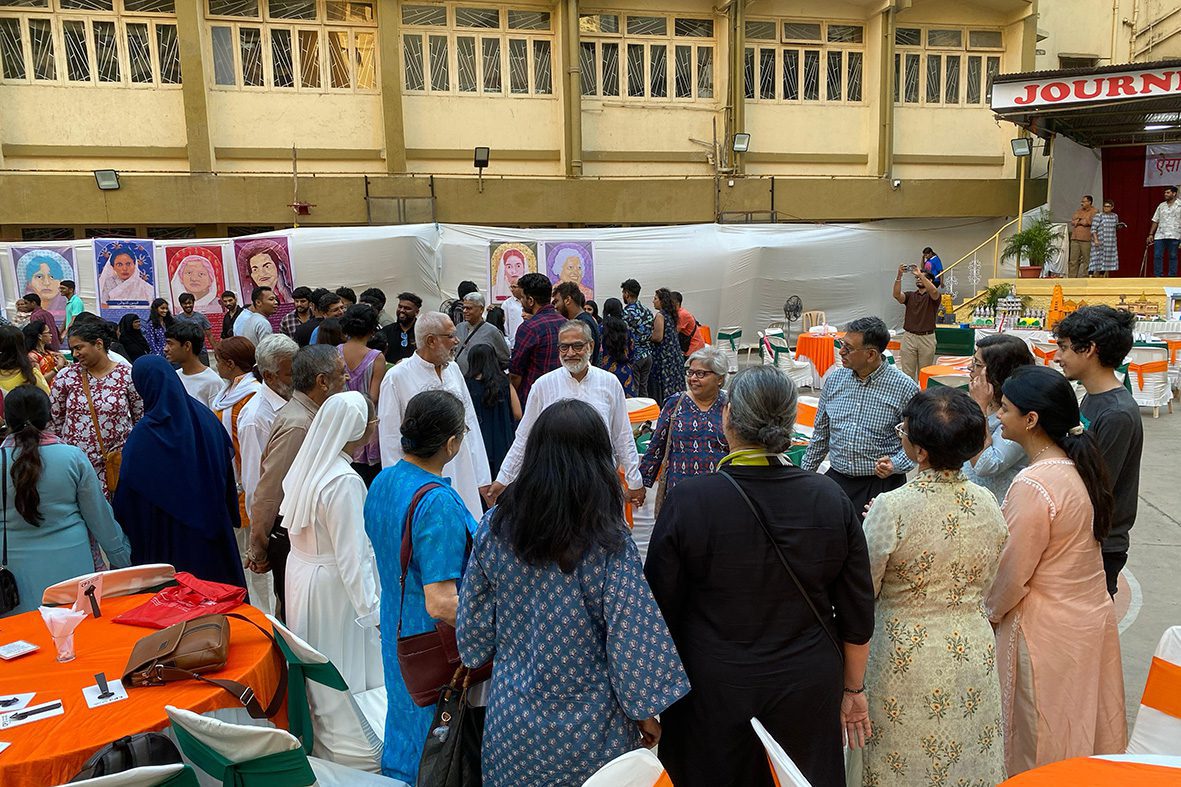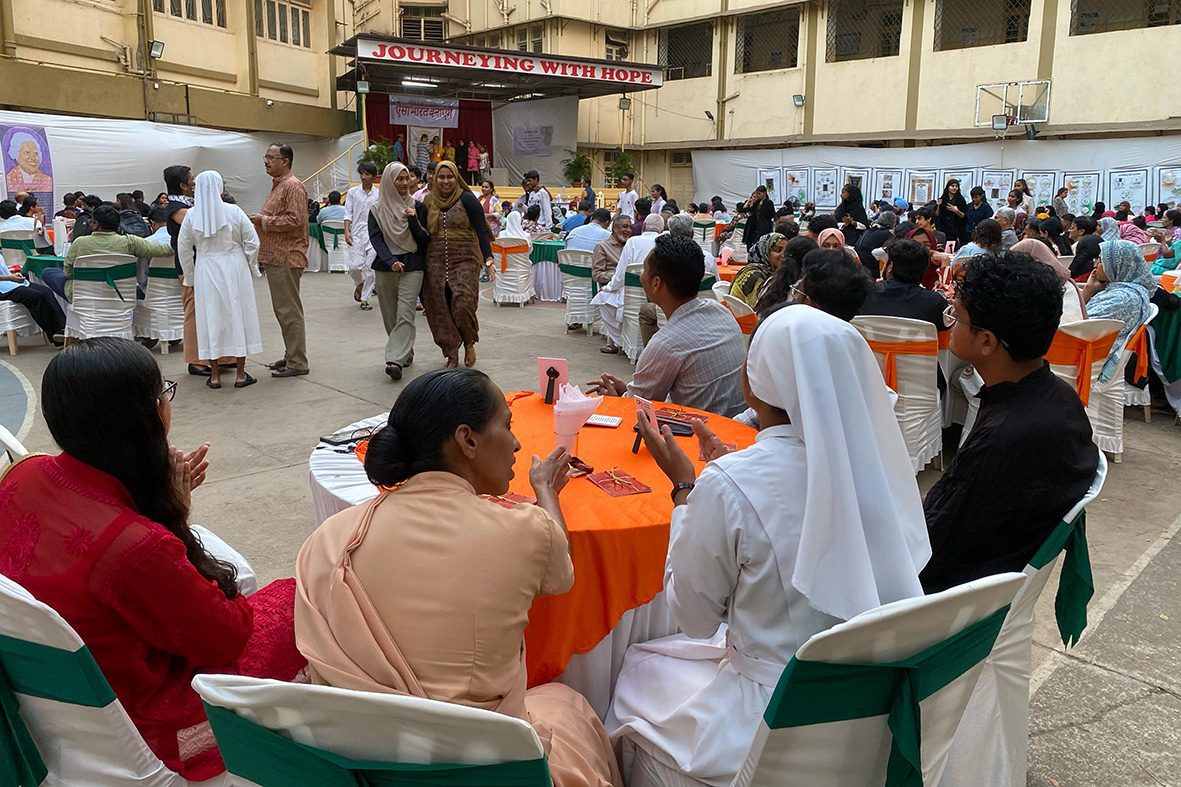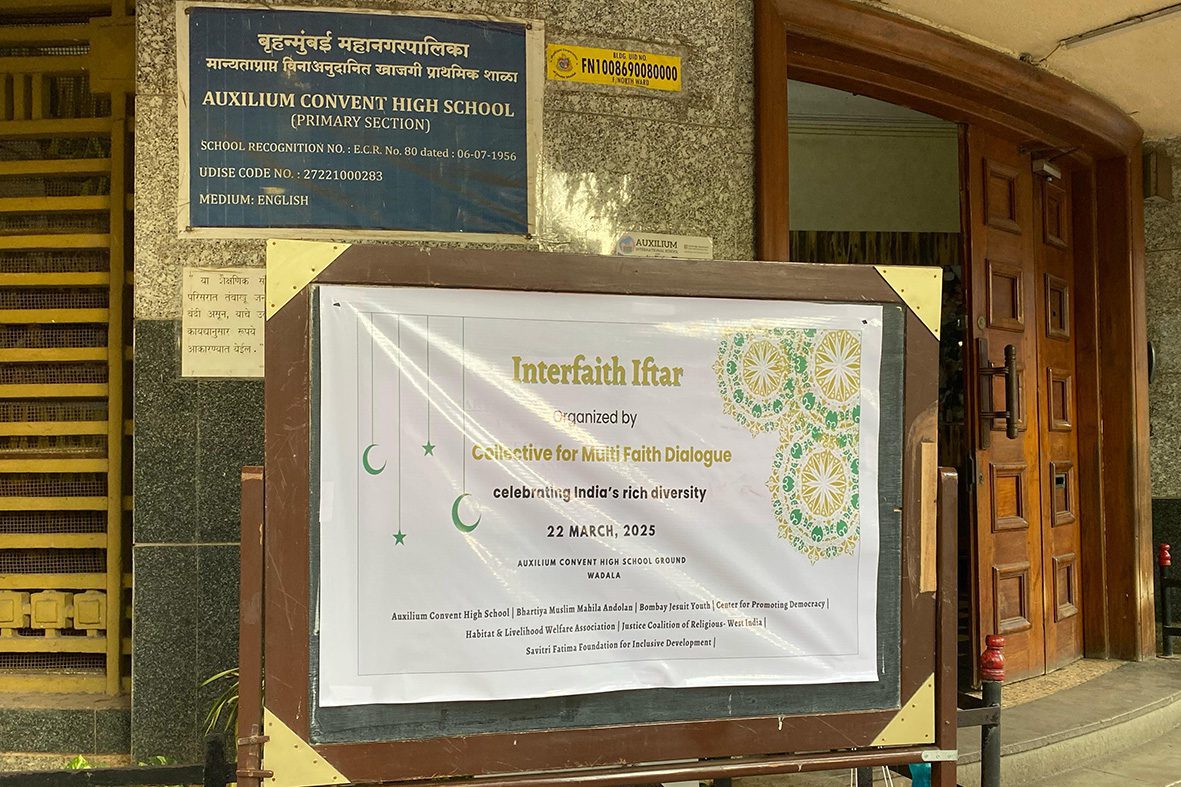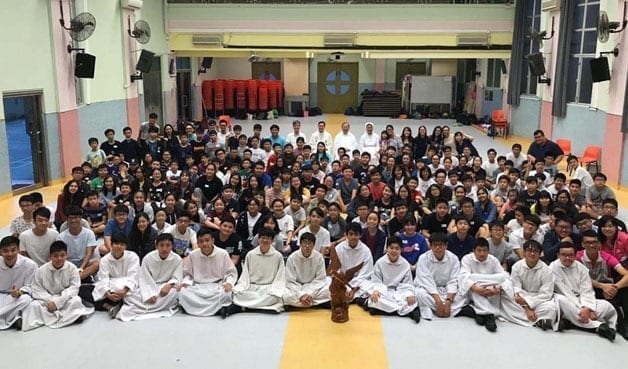

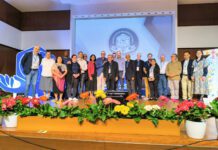
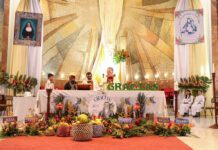
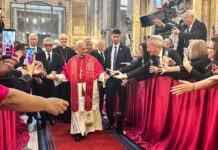
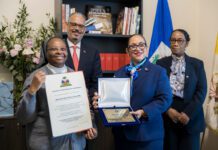

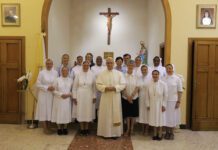
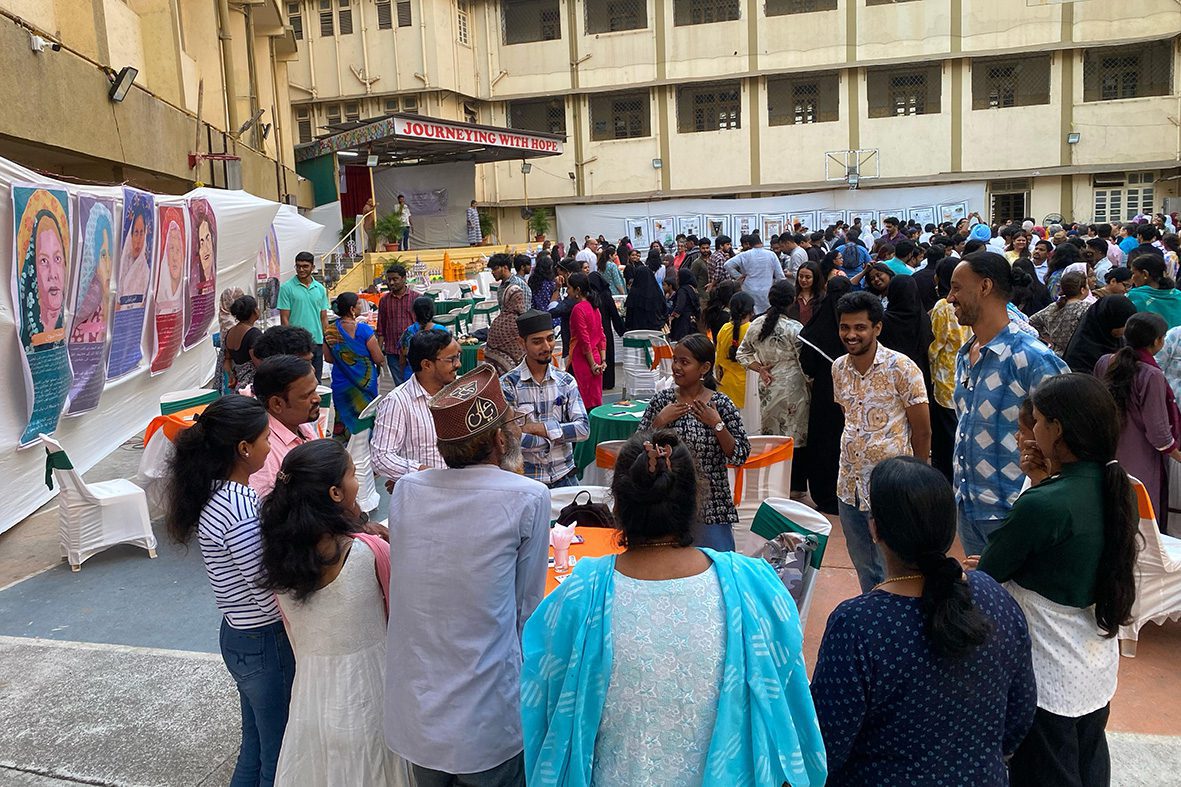
Mumbai (India). On 22 March 2025, the Auxilium Convent High School Ground in Wadala, Mumbai, of the Indian Province St. Mary Mazzarello (INB), hosted the interreligious Iftar organized by the Collective for an evening to celebrate the richness of India’s religious diversity.
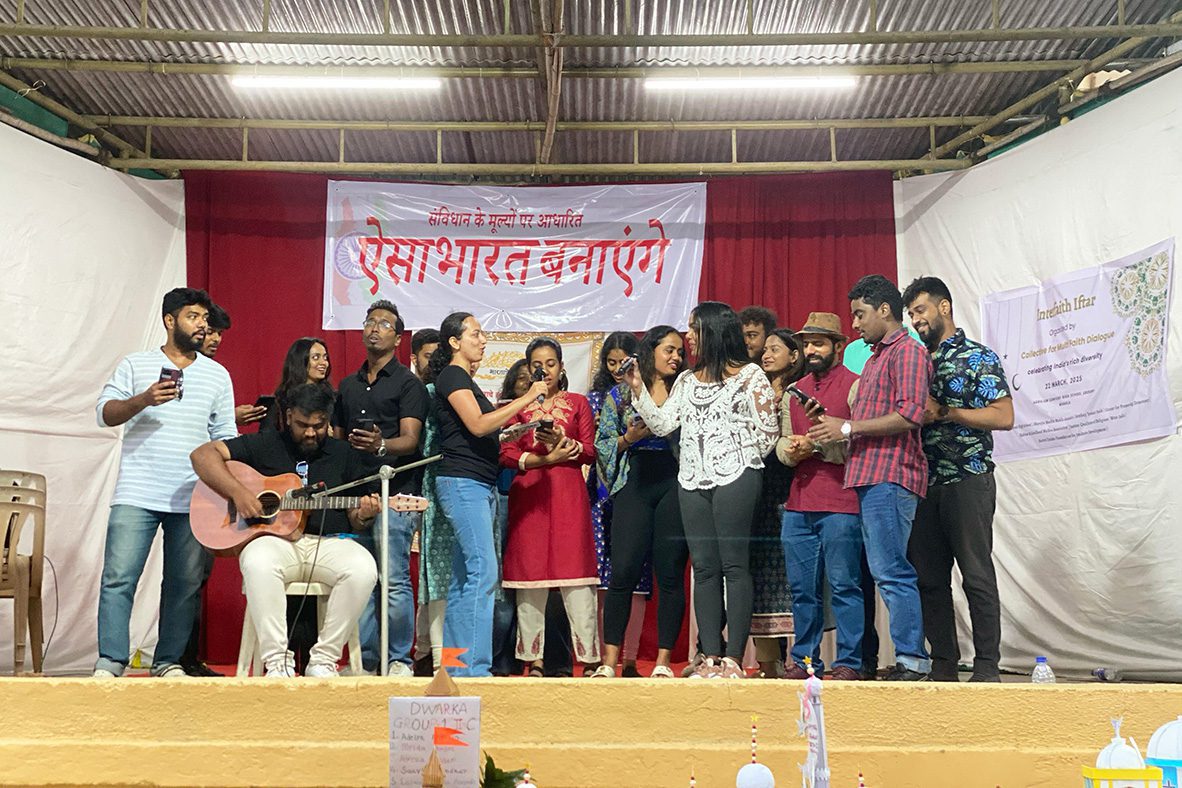
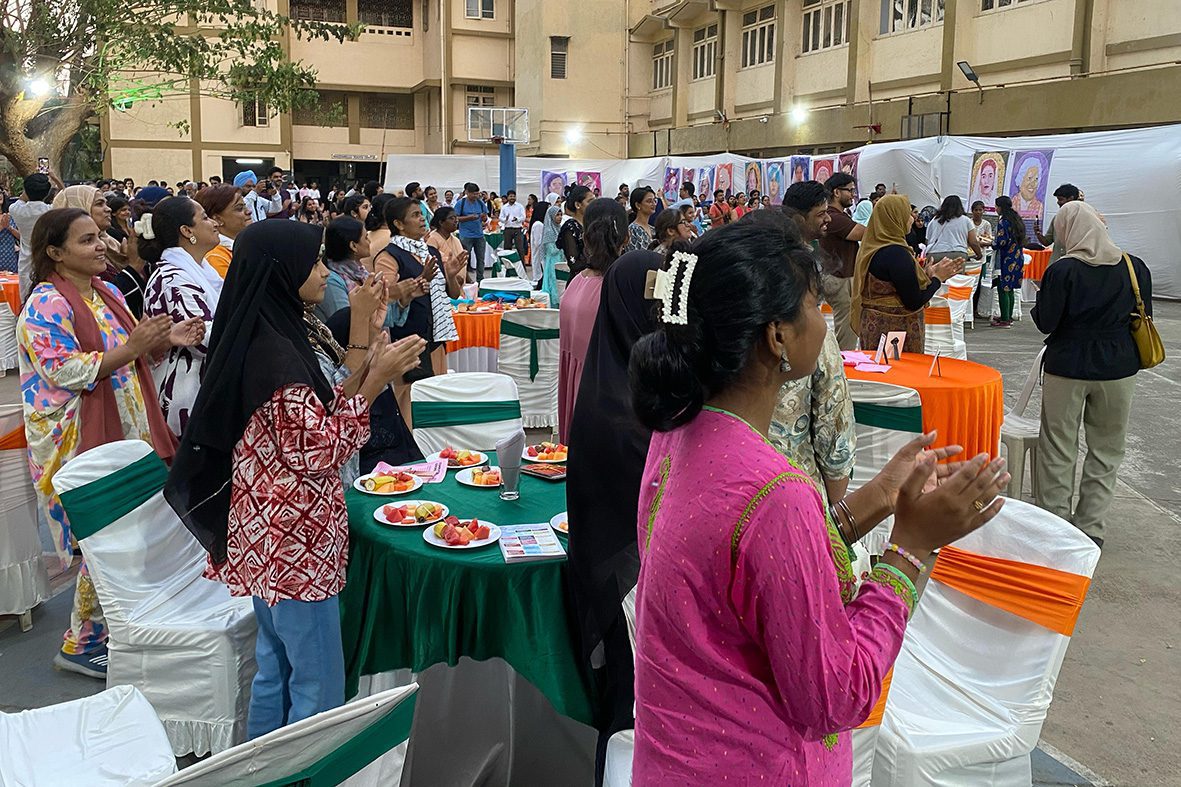
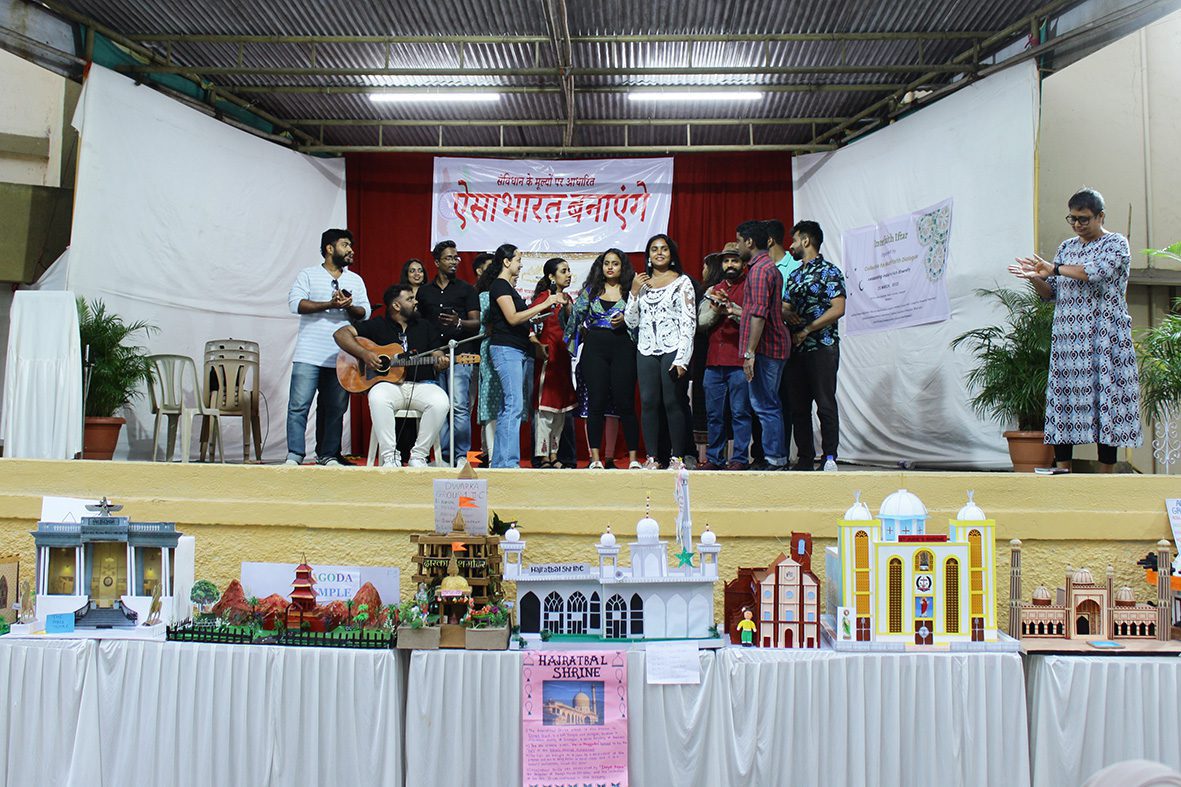
Many young people of different religions gathered to share the dinner at the end of the Ramadan fast with a moment of common prayer, messages from the various religious representatives, group dances, and dances to be together in harmony. At the official moment of the breaking of fasting time, a young Muslim man sang a long hymn and immediately afterwards dinner was served.
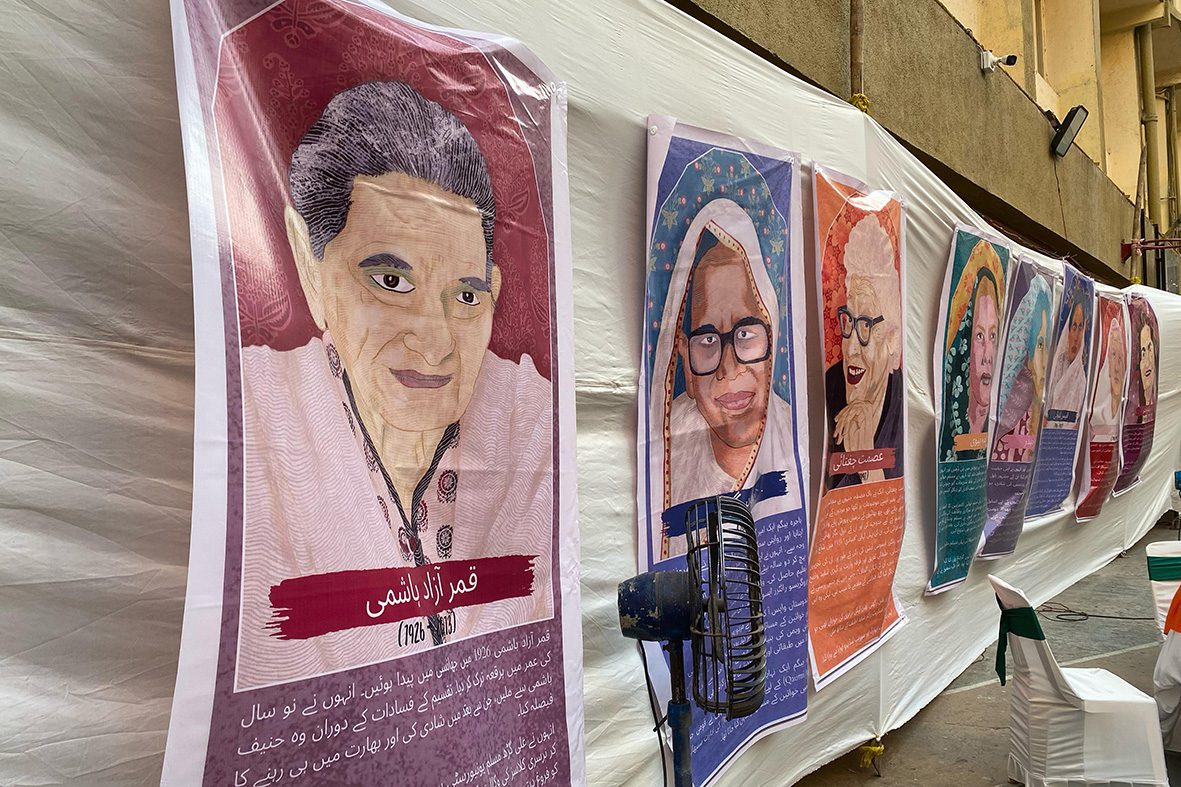
Sister Rita D’Souza, Director of the Auxilium Convent High School in Wadala, known for her artistic touch, took care of the decorations near the stage, with creative symbolic representations of the various religions made by the students of the School. Sister Rita also welcomed those present, wishing them a joyful evening.
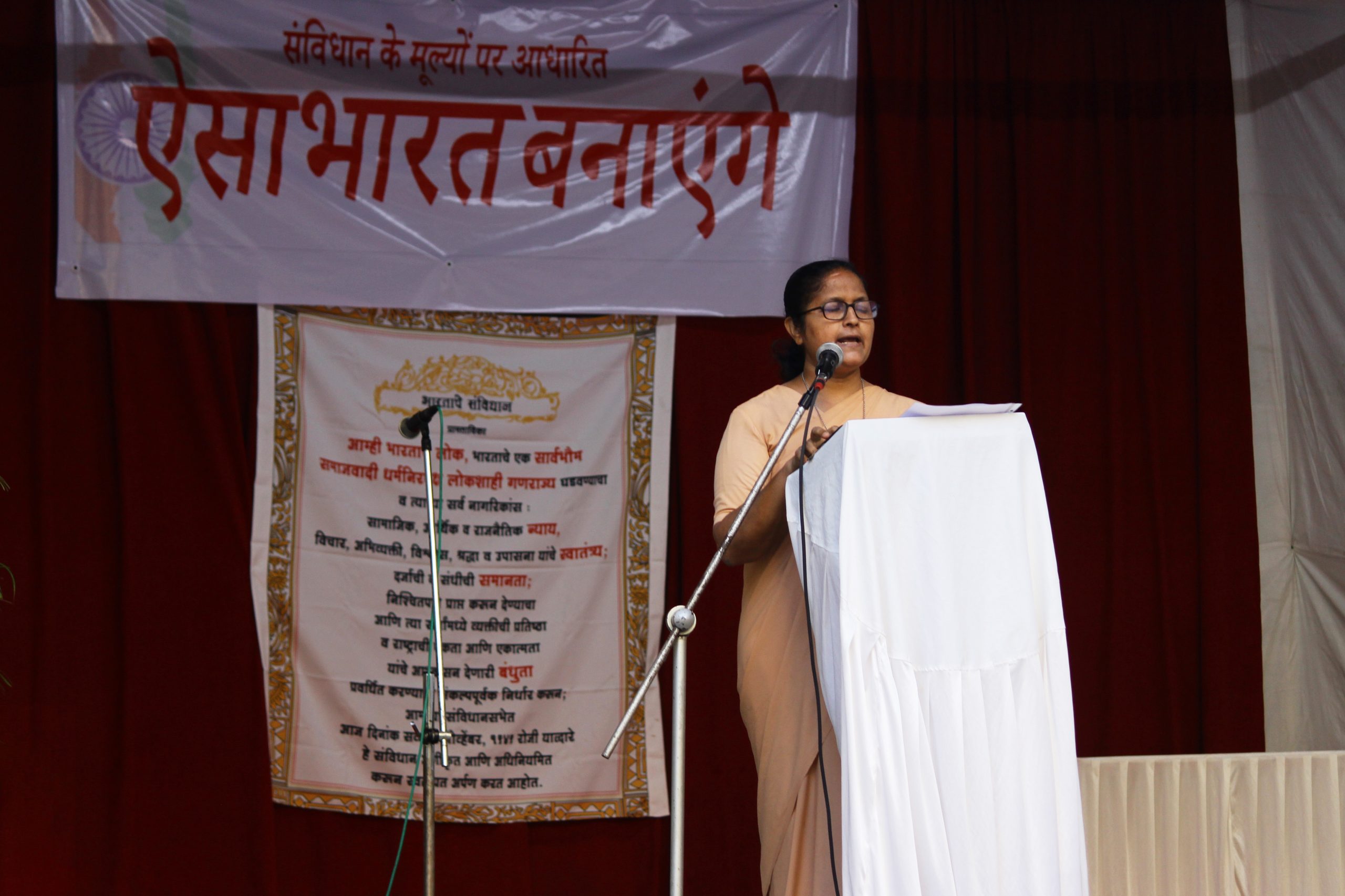
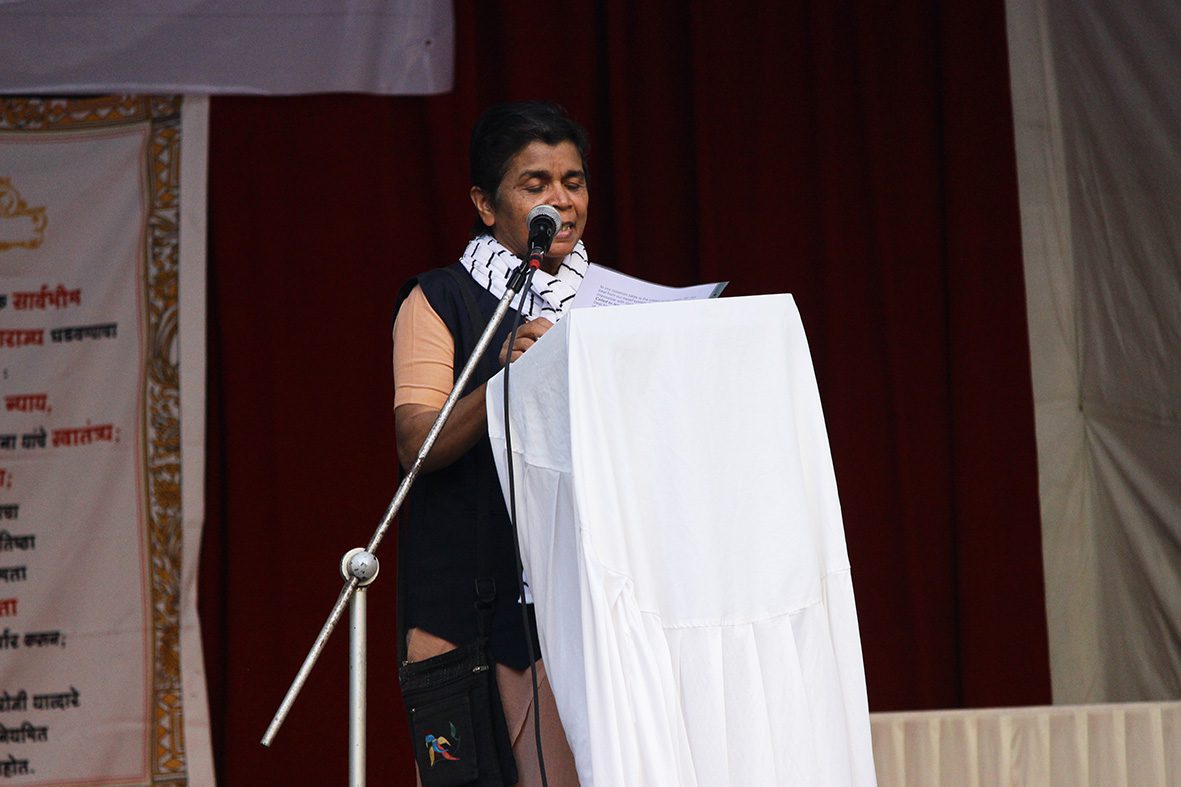
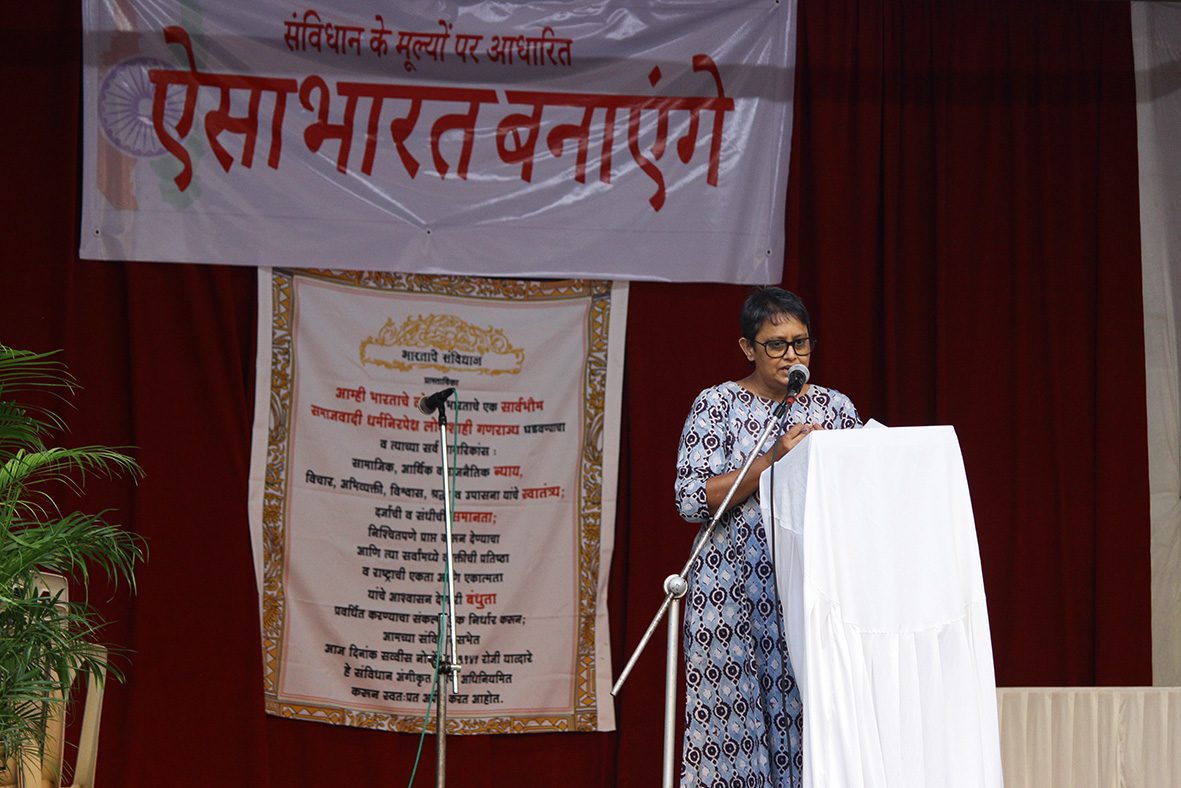
Sister Teresa Joseph then delivered a message on the need for community harmony and inter-religious dialogue. “What do we mean when we speak of community harmony? We refer to the peaceful coexistence and mutual understanding between different communities, religions, and cultures within a society, nurturing unity and respect.
Can believers of different religions promote communal harmony? Yes, certainly, we can and must promote harmony. How? Pooling our resources to explore ways and means of achieving peaceful coexistence, creating understanding and collaboration between the various communities. All this is called interreligious dialogue. In harmony and dialogue, we find unity in diversity.
Education forms us to become experts in community harmony and interfaith dialogue. It teaches us to embrace the beauty of diversity and to find unity through harmony. Together we are stronger. To make this world better, each of us must bring peace, love, and unity. Together we can do great things to build community harmony and facilitate dialogue between believers of different religions. In dialogue, what we bring to our common table is the best of our beliefs, the certainty that nothing is impossible to God. Everything is possible with God.
Dear young people, you can become ambassadors of community harmony and interreligious dialogue by recognizing the value of diversity and promoting understanding. In this way, you can contribute to a more just and equitable society where everyone has the opportunity to grow. Interreligious dialogue is a valuable tool for promoting peace and preventing conflict, as it helps to build bridges between different communities and address the root causes of conflicts.
Let us strengthen our religious identity and join hands to make our world a beautiful place in which to live. Let the gestures that promote community harmony and dialogue flow from our hearts to our families, our neighborhood, and our great human family.”
Professor Brinelle D’Souza, who coordinated the organization, expressed satisfaction for the success of the event. “Every year our celebration of the Iftar becomes better.” The contribution of the young people who, under the able guidance of Professor Brinelle and her team, have created a family atmosphere with their warm welcome of the guests and their joyful service.
The “Ice Breakers” group got everyone involved in the dances and the young Jesuits of Bombay captured hearts with their music and songs. The young students of the Tata Institute of Social Sciences (TISS) played a key role during the evening, taking care of everything from photographic documentation to serving food. The participants witnessed the wonderful coordination between the organizers of different religions, enriched by deep respect and humility.
“Believers need to find occasions to speak with one another and to act together for the common good and the promotion of the poorest. … The deeper, stronger, and richer an identity is, the more it can enrich others with its own proper contribution” (Pope Francis, Fratelli Tutti, 282).