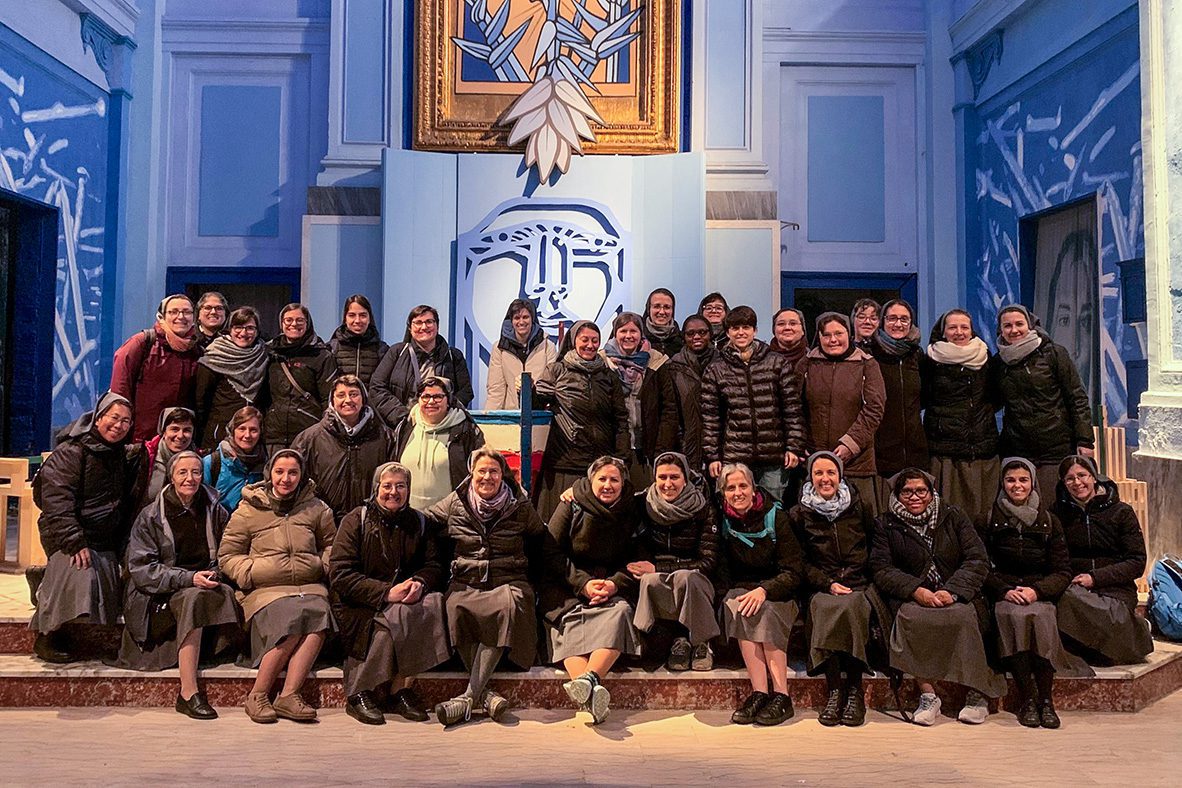

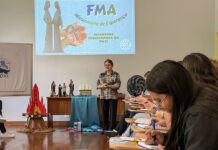
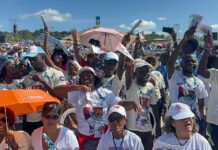
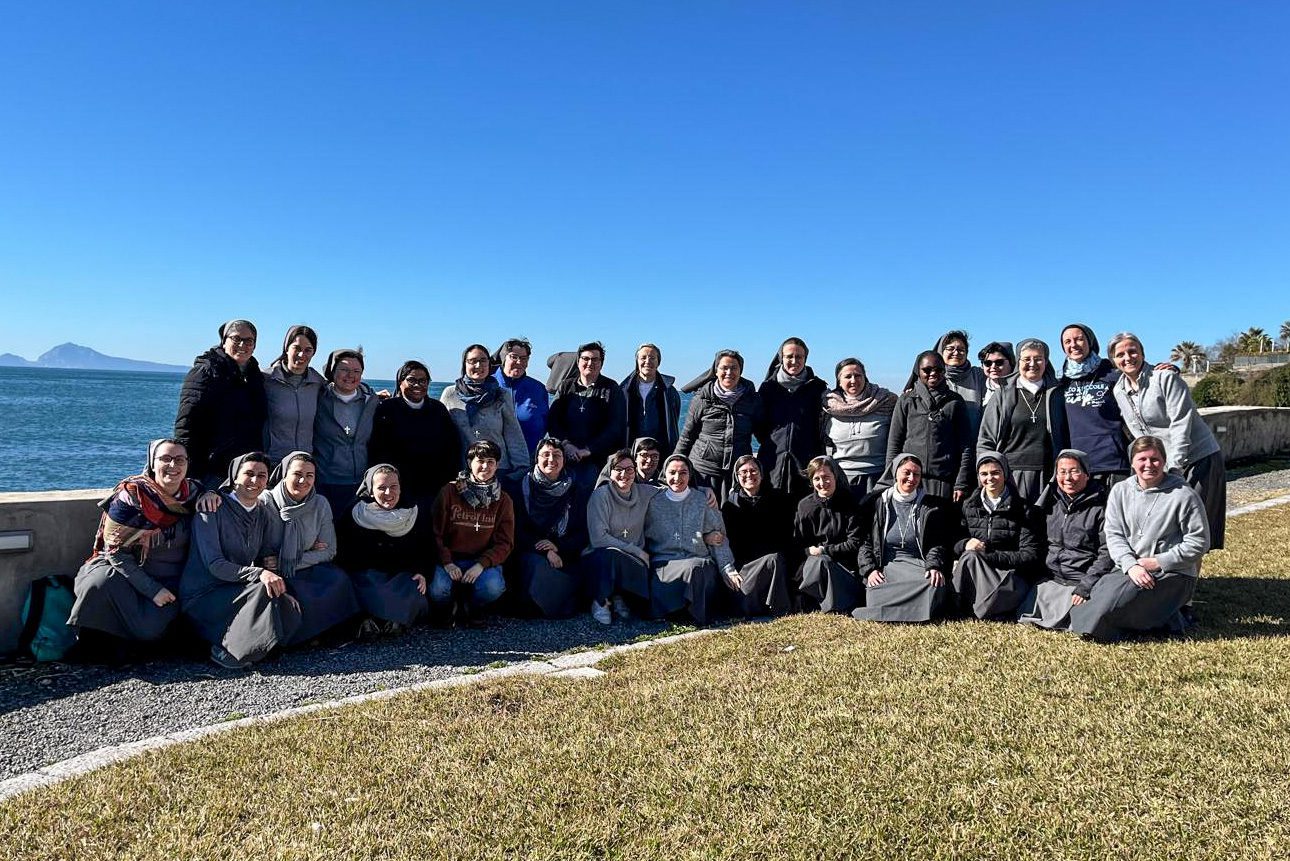
Torre Annunziata (Italy). From 19 to 22 February 2026, the national meeting of P.R.I.M.E. – To Remotivate the Educational Mission – took place at Villa Tiberiade in Torre Annunziata (Naples), part of Our Lady of Good Counsel Province (IMR). This annual event brings together Daughters of Mary Help of Christians from all over Italy, from seven to ten years of religious profession. This is a precious time, intended as a pause and a revitalization, interwoven with listening to the Word, rereading the vow of poverty, and fraternal sharing.
The chosen title—“The jar of flour did not run out…” (1 Kings 17:1-16)— accompanied the entire journey like a silent but tenacious promise. When we trust, when we share the little we have, the Lord does not lack what is necessary. Not always abundance, but faithfulness, yes.
Among the particularly powerful moments, the lectio divina led by Father Marco Napolitano opened profound interior spaces. The story of the widow of Zarephath challenged each of us personally; what “bread” are we called to deliver? What kind of poverty should we choose, embrace, and bear witness to today, in a complex world rife with so many fragilities? In silence and personal prayer, the Word worked discreetly, bringing forth questions, resistance, and desires.
If the Word touched the heart, the moments of free sharing among the Sisters made them resonate. It was there that the encounter became a home. Sharing our stories openly, discussing the struggles of consecrated life, sharing the simple joys of mission, acknowledging our vulnerabilities without fear, all this generated authentic communion. Not a theoretical discussion about poverty, but a genuine sharing of life.
The testimonies, workshops, and a visit to the Rione Sanità neighborhood in Naples, featuring the experience of the cooperatives born from the prophetic charism of Father Antonio Loffredo—known for his pastoral, social, and cultural commitment to this neighborhood—offered a concrete glimpse into a poverty that offers redemption, dignity, and evangelical creativity. The city of Naples, with its lights and contradictions, also became a living page to be read in the light of the Gospel.
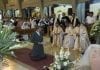
Daily Eucharist, adoration, Marian moments, and evening fraternity gave rhythm to intense yet harmonious days, where study, prayer, and relationships were naturally intertwined.
The young FMA returned to their communities with hearts filled with gratitude and a renewed awareness. Evangelical poverty is not a sterile subtraction, but a space that allows God to act. It is not lack, but trust; it is not closure, but freedom.
Source: FmaIRO