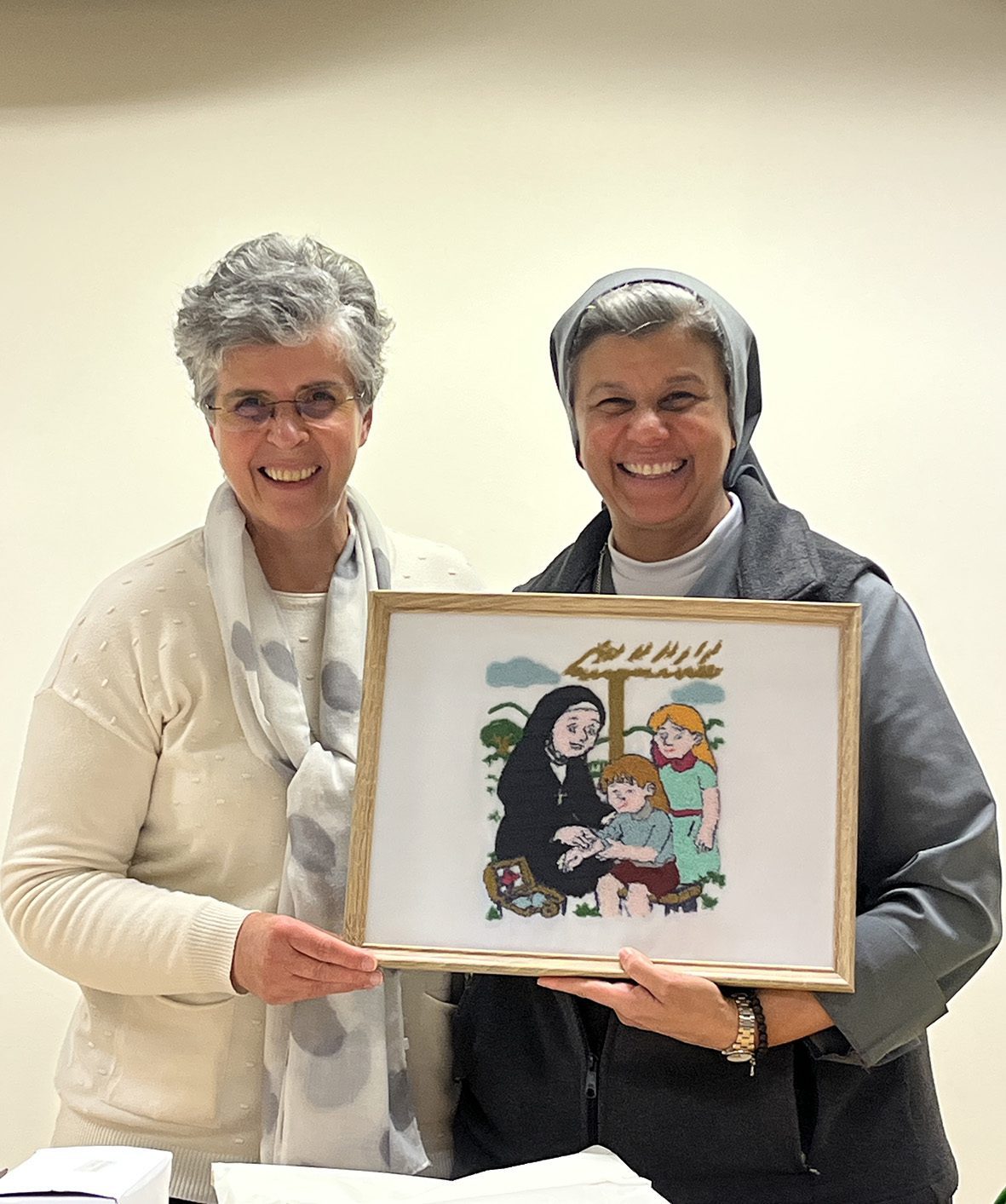

Portugal. From 25 February to 2 March 2026, Sister Ena Bolaños, General Councilor for Administration of the Institute of the Daughters of Mary Help of Christians, paid a brief visit to the Our Lady of Fatima Province (POR). These were intense days of encounter, sharing, and reflection, offering the communities a time of fraternal closeness and of deepening their understanding of the significance of economics in consecrated life and in the educational mission.
Sister Ena arrived in Lisbon in the late afternoon of February 25th, welcomed by the Provincial Superior, Sister Deolinda Teixeira, and the Provincial Bursar, Sister Alzira Sousa. After the difficult days experienced by many Portuguese—marked by painful events—the bright weather that accompanied her arrival was perceived by the Sisters as a sign of hope, almost as a reminder that “after the storm comes the calm,” and that suffering and evil do not have the final word in history.
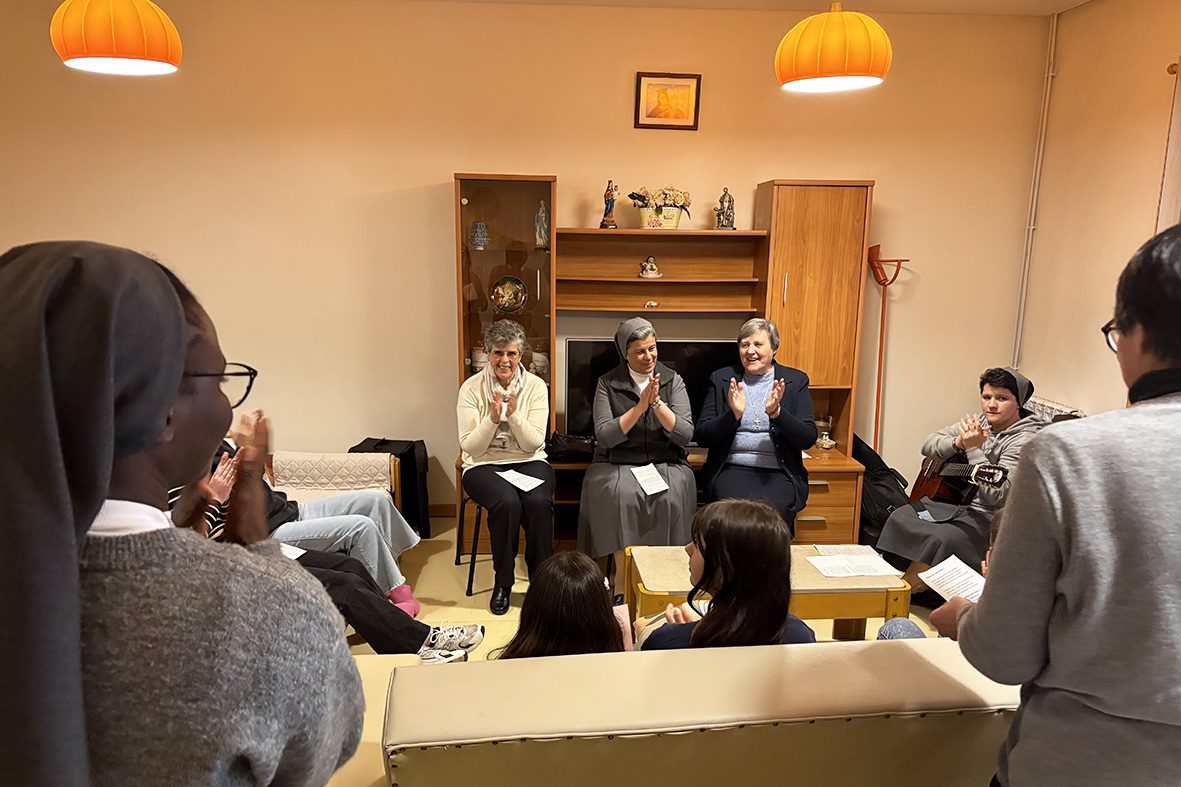
At the Provincial House, the simple and familial welcome continued during the ‘Good Night’ gathering. In this setting, the Councilor shared some experiences of the Institute’s life across the five continents—experiences characterized by widely diverse realities, some of which were very challenging.
Referring to the situations of conflict, poverty, and instability present in various regions of the world, she recalled that the mission of the FMA is often expressed, above all, through a solidarity-filled presence alongside those who suffer the most. As attested by many sisters living in these contexts:
“We remain with the poor, with those who suffer the most; we are alongside the young. Our presence, our listening to dramatic events, our words of hope, and our material aid—this is all that remains for us to do.”
Visits to the Communities and Encounter with the Educational Mission
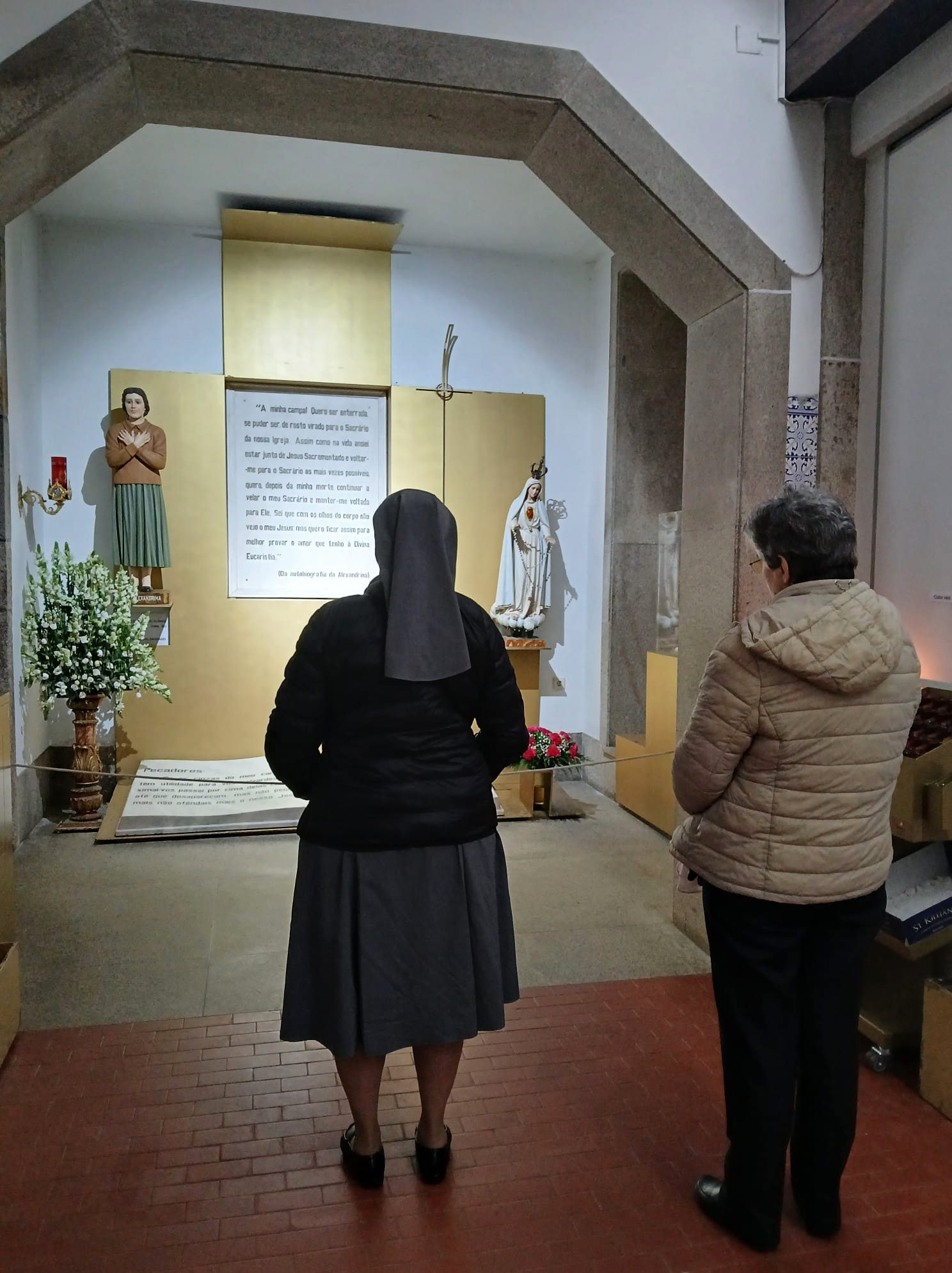
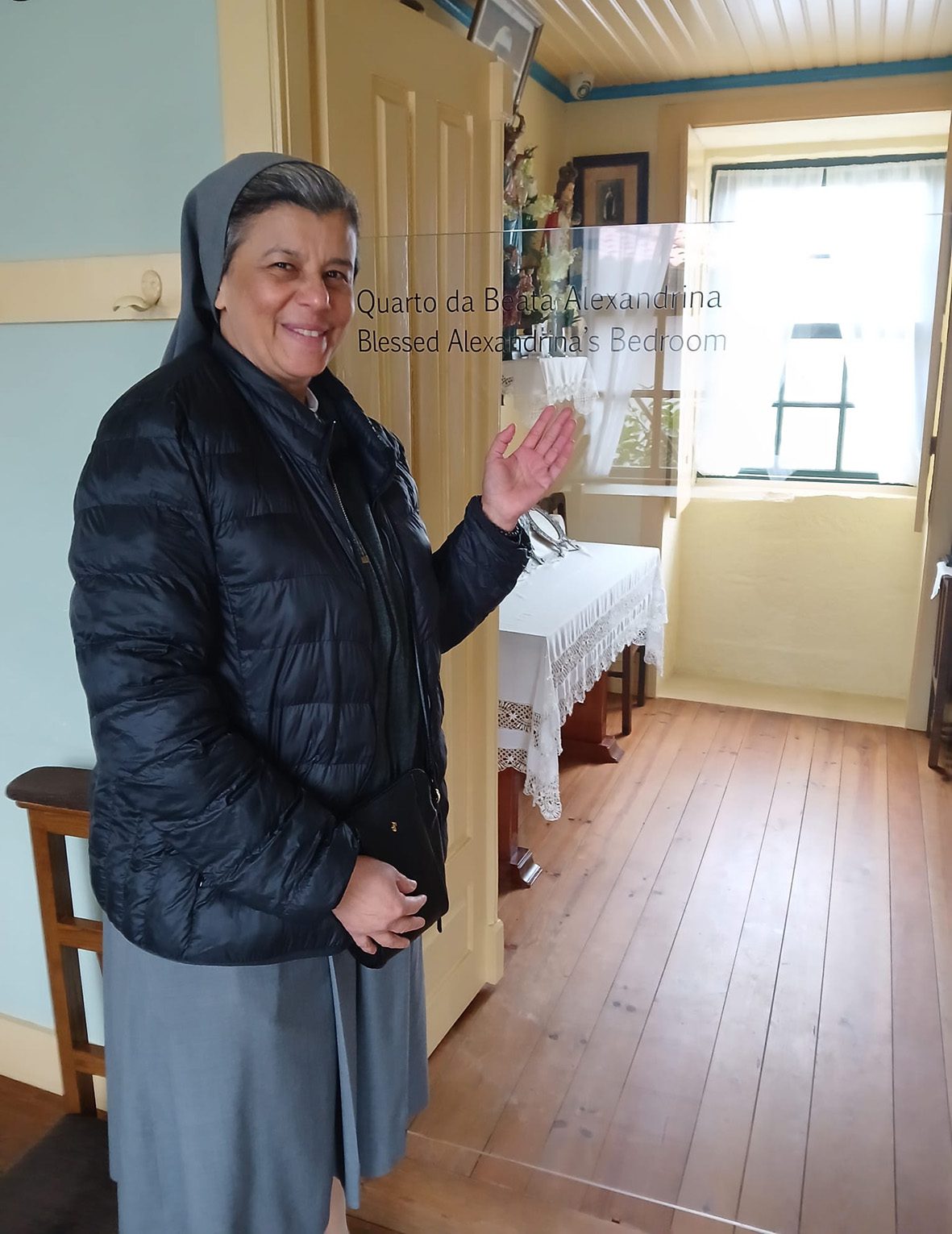
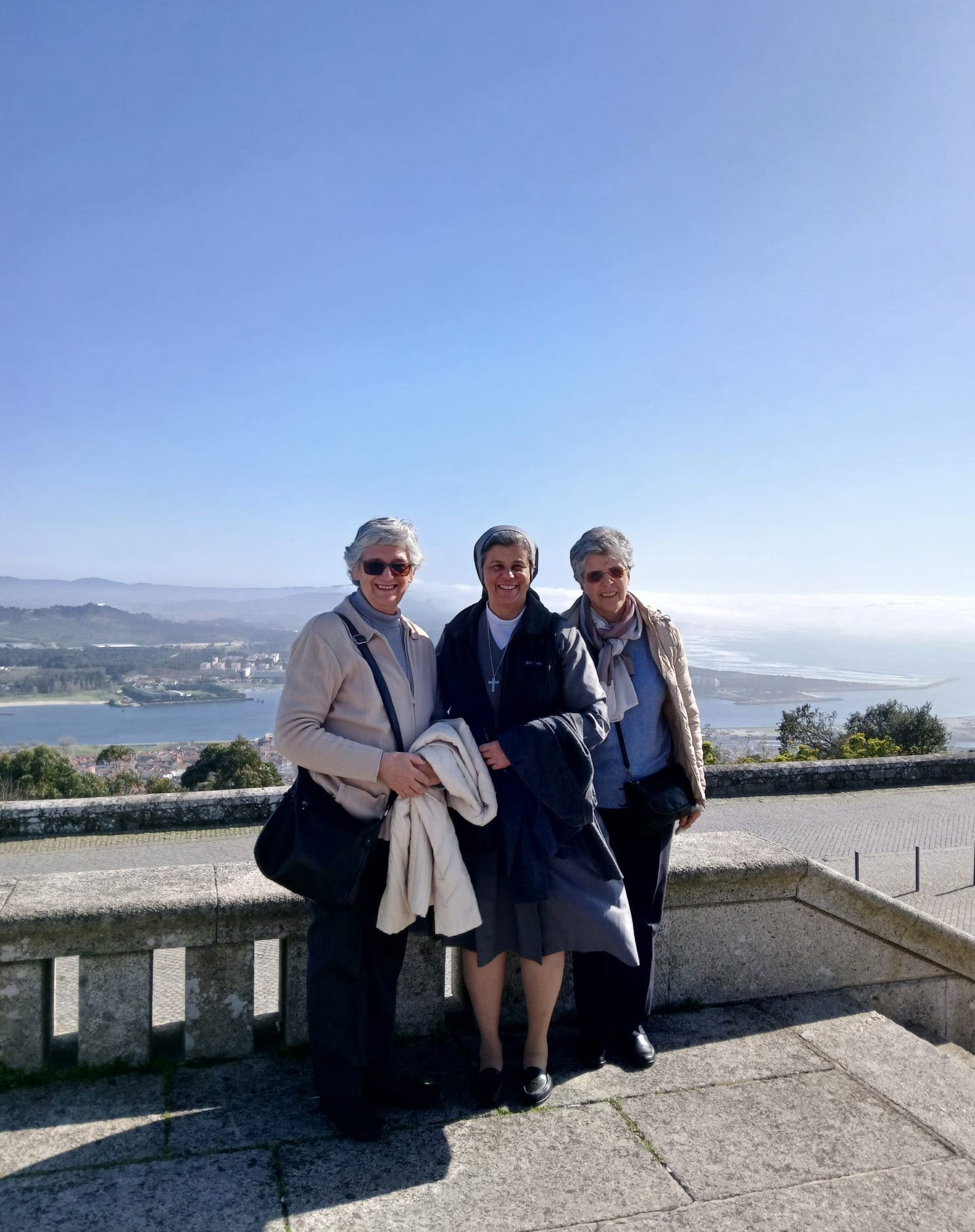
On 26 February, Sister Ena began a brief journey through the Communities in the north of the Country, visiting Arcozelo, Viana do Castelo, and Paranhos, before continuing on to Fatima, where the provincial meeting was held.
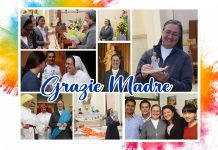
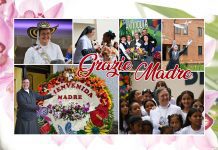
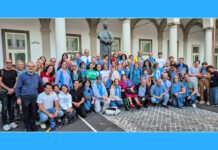
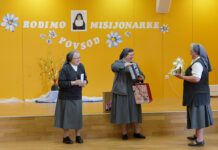
In various Houses, there was also the opportunity for festive gatherings with students and collaborators, who joyfully welcomed the representative of the Mother General with songs, flowers, and gestures of gratitude. These moments allowed her to observe firsthand the vitality of the Educating Communities and the dedication of the sisters and teams in their mission with young people.
At the same time, there was no lack of a clear-sighted perspective on the current challenges facing education. With apostolic fervor, the Councilor underscored the need to seek new forms of evangelization and education for young people—especially the poorest among them—in a context where the school itself is undergoing profound changes.
Recalling the experience of the founders, she stated, “Our Institute has spanned 150 years and five continents precisely because its Founders understood something fundamental. It is not the type of works that gives value to the mission, but the pursuit of the well-being of young people.”
Economy as a Dimension of Consecrated Life
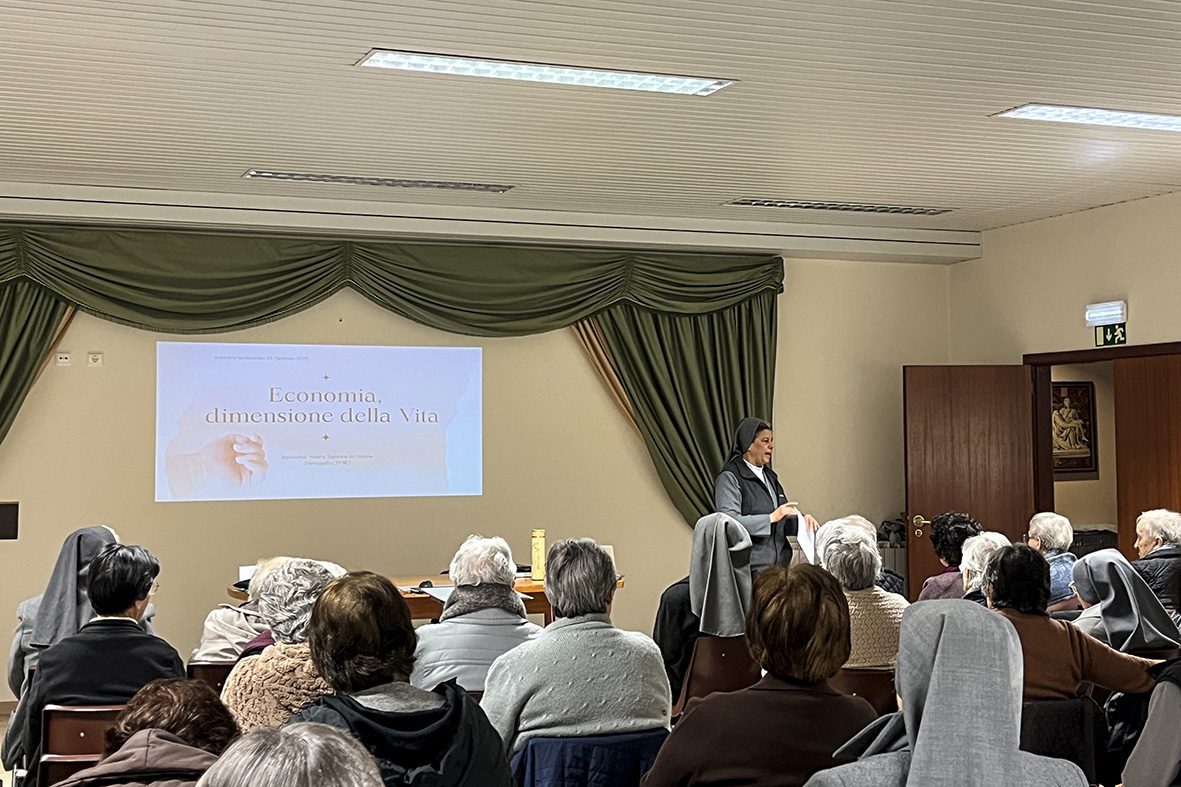
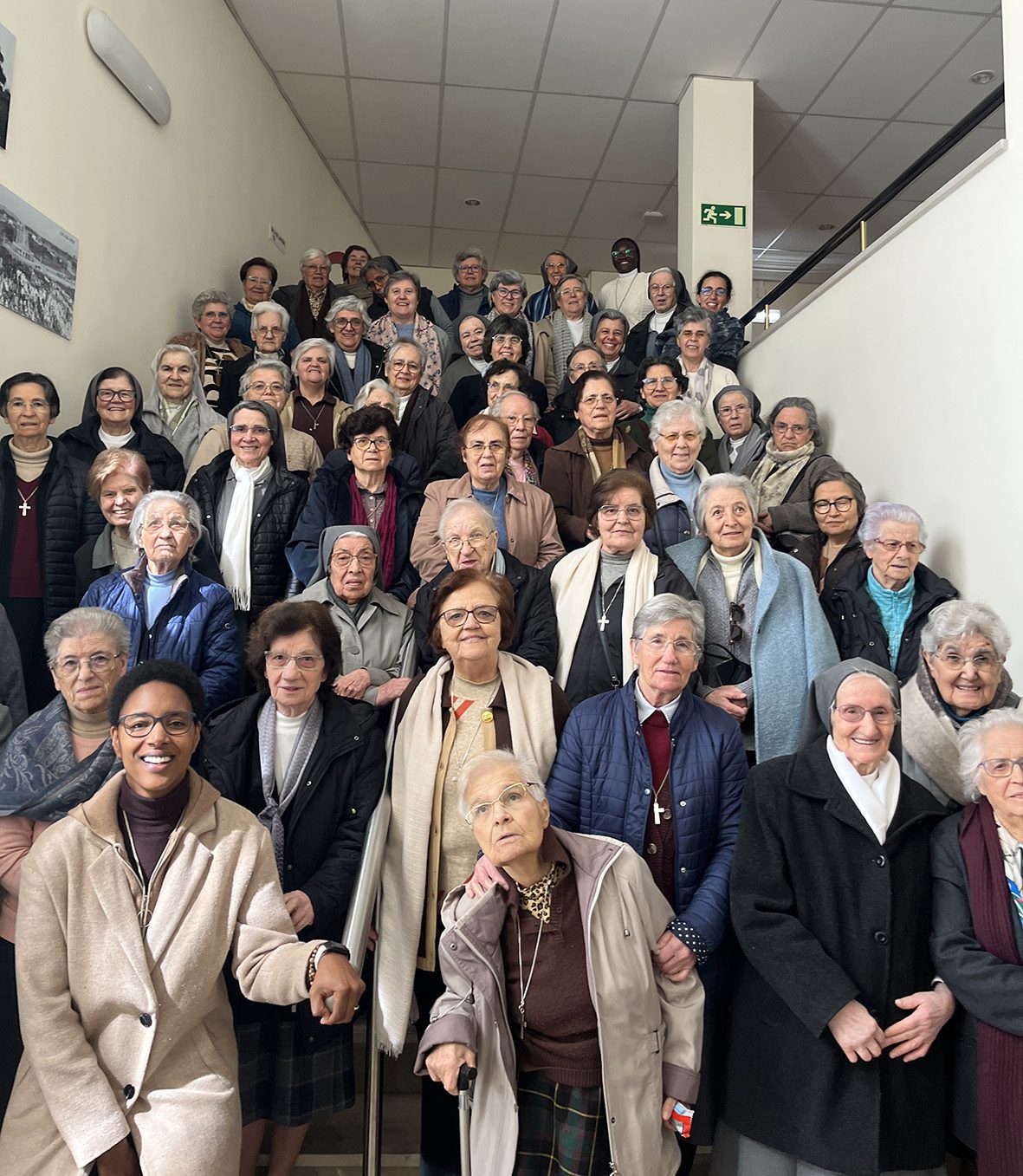
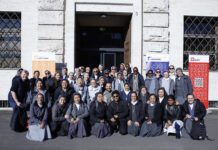
The central moment of the visit took place in Fatima on 28 February, during a formation meeting that brought together 66 sisters of the Province. Drawing upon the FMA Constitutions, the experiences of Don Bosco and Mother Mazzarello, and reflections on ecological economics, Sister Ena invited the sisters to understand economy not merely as the management of resources, but as an integral dimension of consecrated life.
In a world marked by consumerism and growing inequalities, she emphasized the importance of fostering an education in the responsible management of resources and in an economy that always places the human person at its center. This approach was met with surprise and enthusiasm by various Sisters, who shared their initial reaction with disarming simplicity, “Economics, money, bursars… that really isn’t my field!”
But the reflection presented subsequently opened up new perspectives. “I really liked the presentation of the theme. Economy = way of life. An economy that looks to the person, that values gratuitousness, and prioritizes relationships. Yes, this economy is for me.” (Sister Lea de Morais)
Return to the Sources of the Charism
During the formation course, the Councilor for Administration also invited participants to revisit the meaning of the vow of poverty and the concrete choices it entails in one’s personal, community, and provincial life: the centrality of God, sobriety, co-responsibility, the sharing of goods, and priority for the poorest. As she repeatedly reminded us, “what we have belongs to the poor,” and closeness to them helps to put our own needs into perspective and to grow in a spirit of gratuitousness.
For many sisters, this moment was also an opportunity to return to the roots of their vocation. “I was reminded of my novitiate many times! What Sister Ena conveyed to us—with such simplicity and closeness—was given to us during that time. How important it is to retrieve what we have internalized, so that it does not fall into oblivion, but becomes life.” (Sister Mafalda Monteiro)
Everything is interconnected
The reflection put forward also resonated in the connection between economics, Charism, and care for the Common Home. “The constant reference to the Constitutions—to Don Bosco and Mother Mazzarello—from the perspective of ecological economics, reminded me of the motto of Laudato Si’: everything is interconnected, even in our consecrated life.” (Sister Isabel Mira)
From this perspective, Sister Ena urged the Province to keep young people—especially the poorest among them—at the center of its choices, an indispensable condition for educational creativity to continue generating new responses.
An impetus for continuing
Although brief, Sister Ena Bolaños’s visit left the Province with a powerful call to renew its fidelity to the Charism and to seek new paths for the mission. In a world often marked by disorientation and a loss of horizons, the conviction that inspired the Founders remains as relevant as ever, to always place the well-being of young people at the center.
With gratitude, the Province of Our Lady of Fatima has welcomed these days as a time of renewal and hope. It is a matter of continuing to walk “in the joy of essentiality, growing in hope for the future, in the certainty that our charism continues to be a source of life for the many young people whom Providence entrusts to us.” (Sister Isabel Mira)