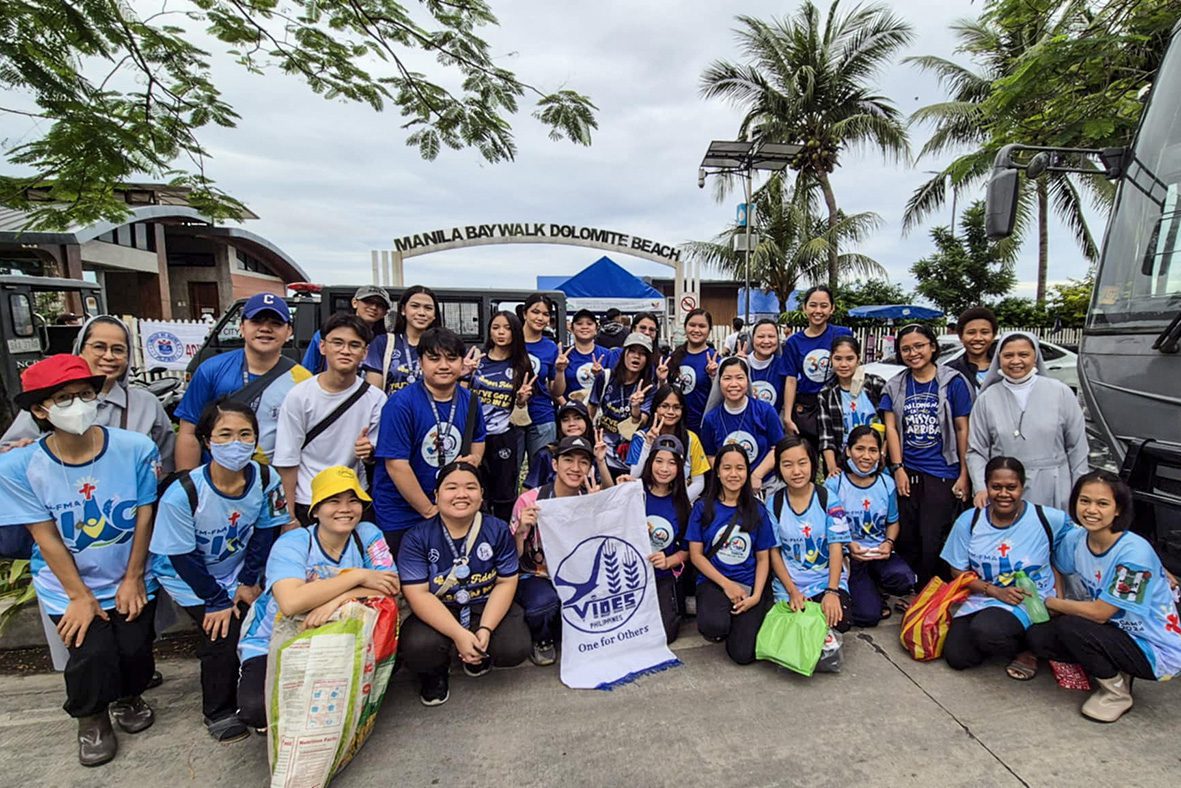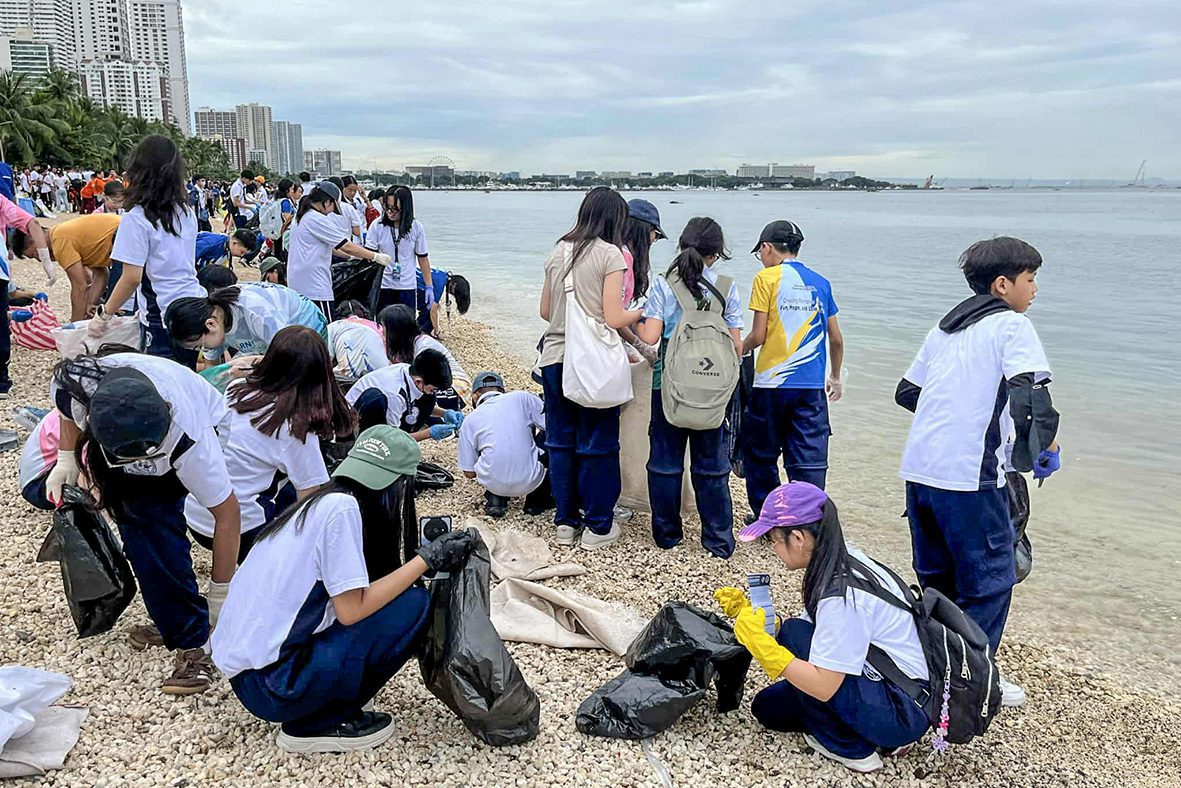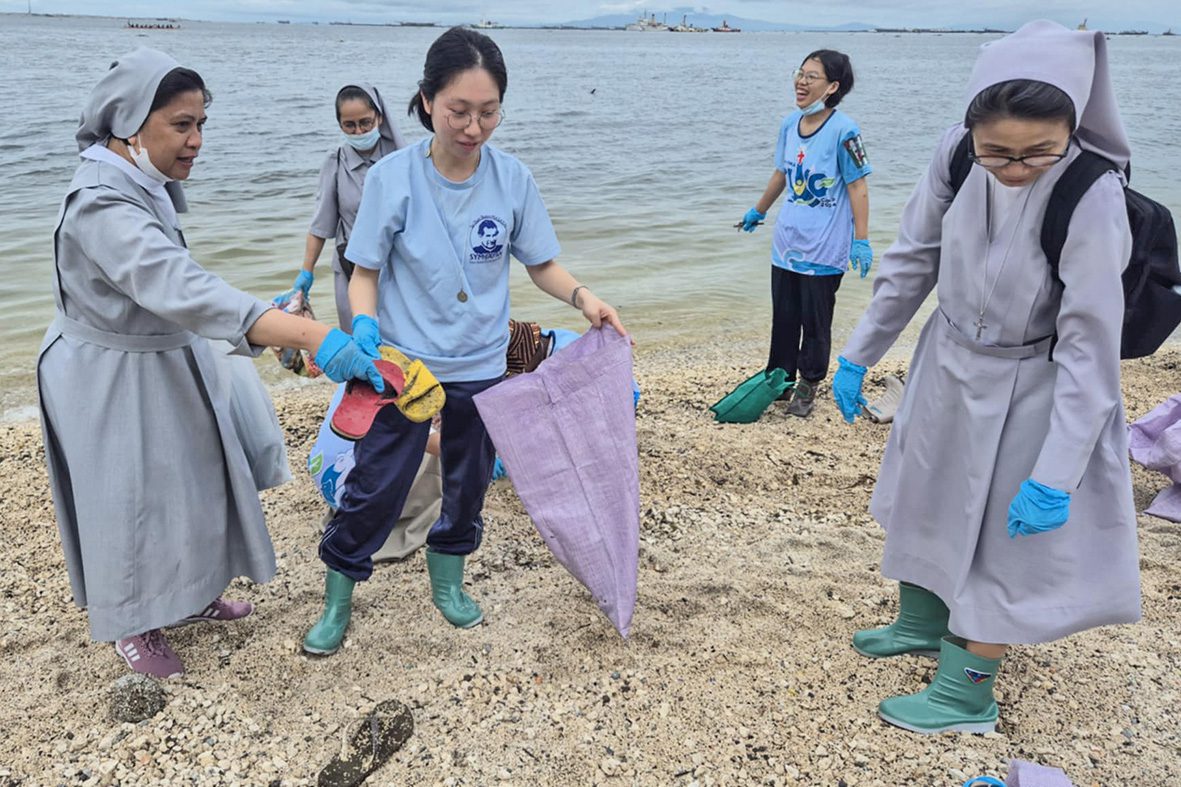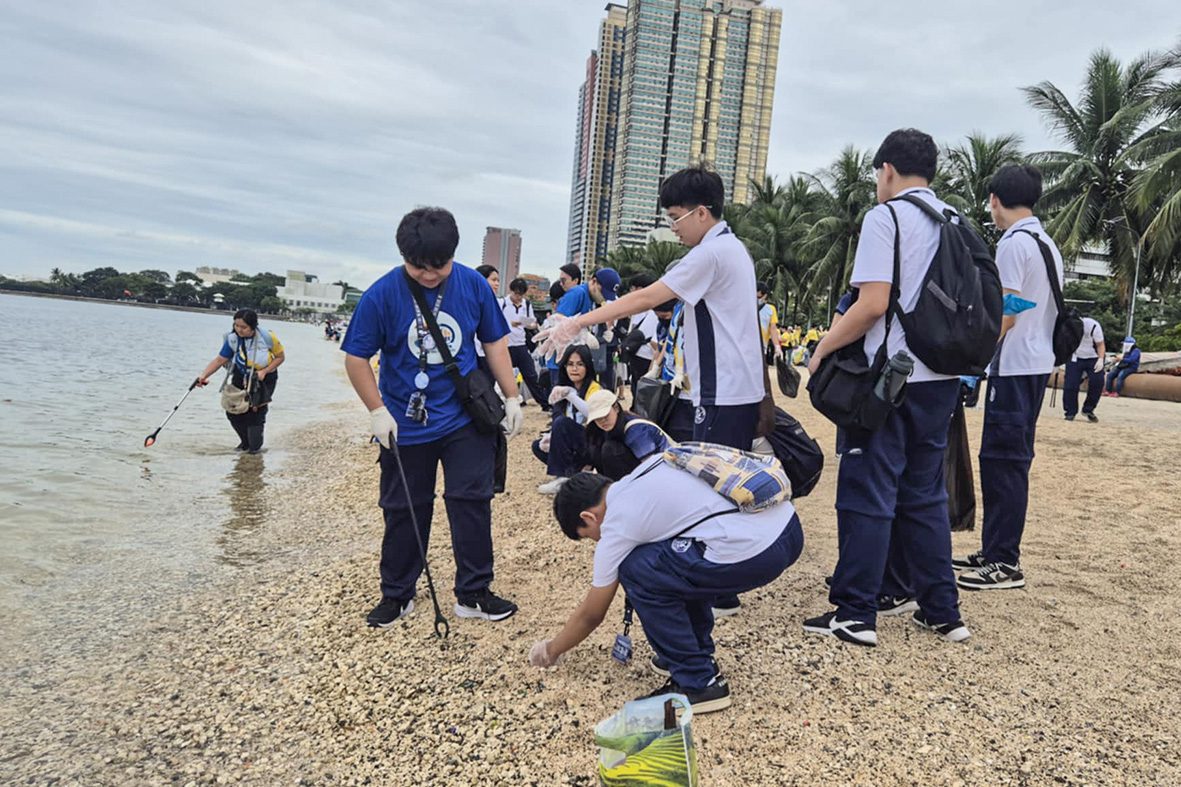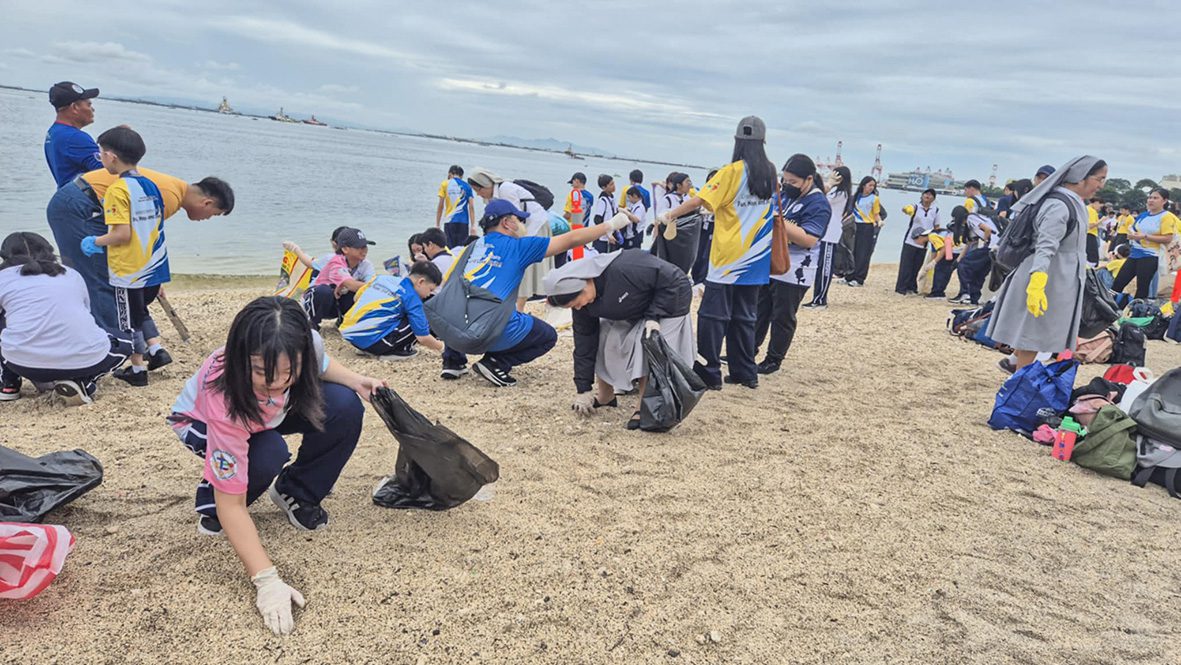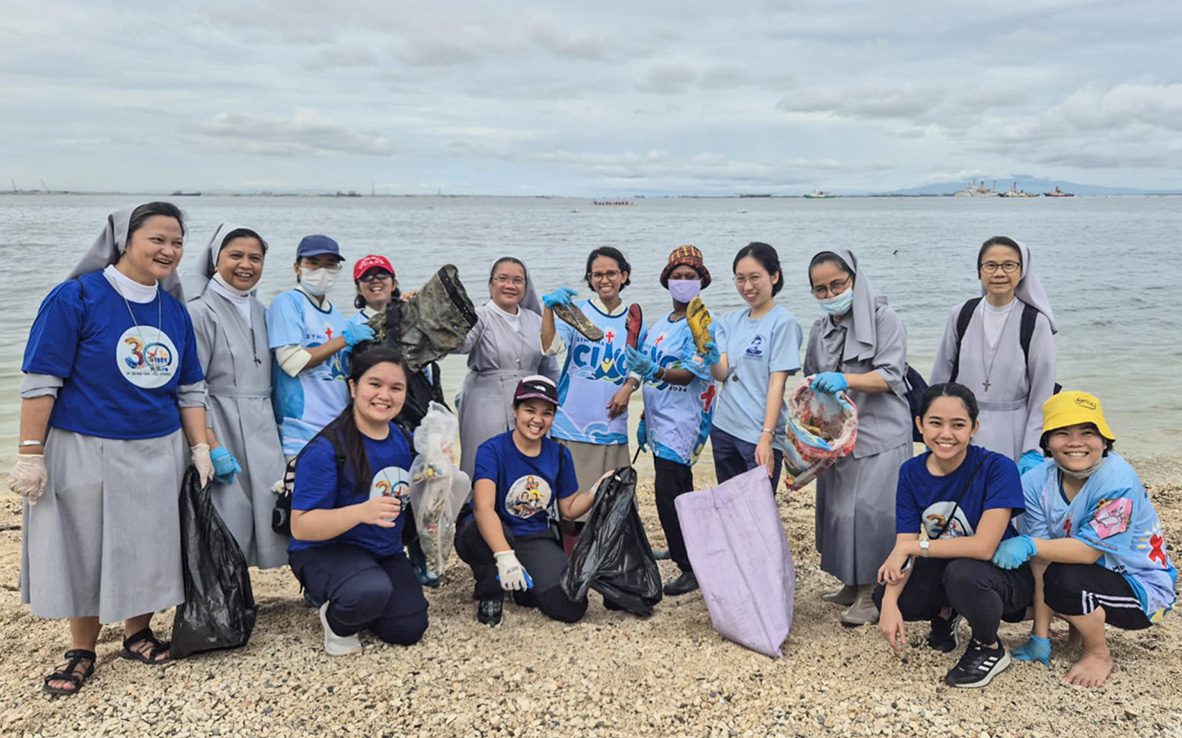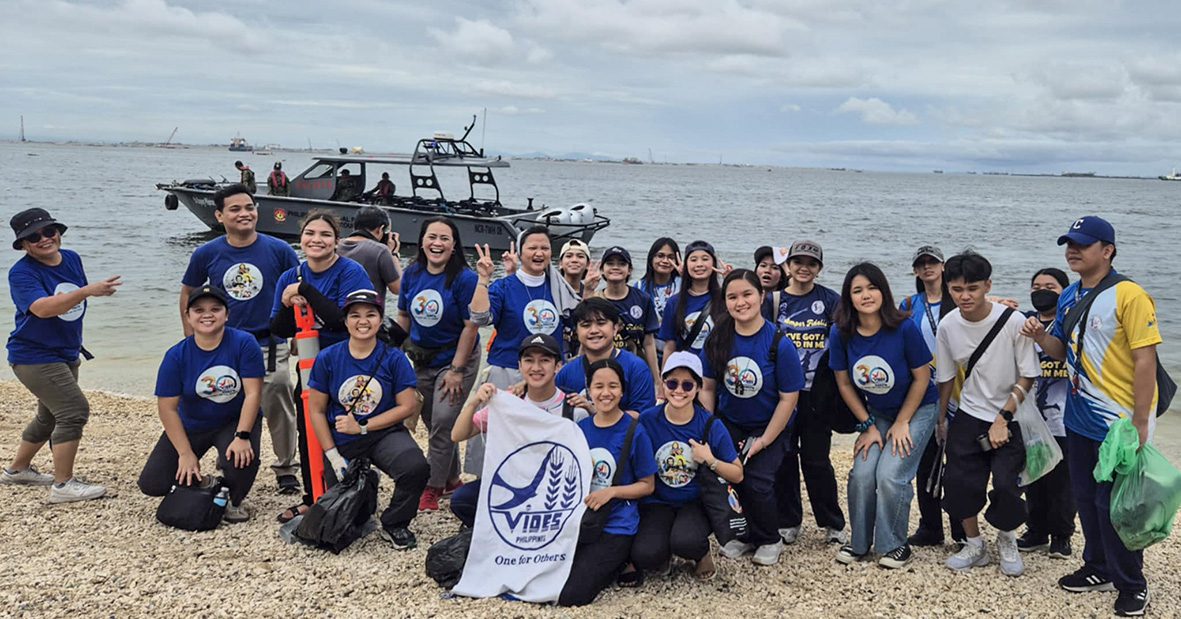




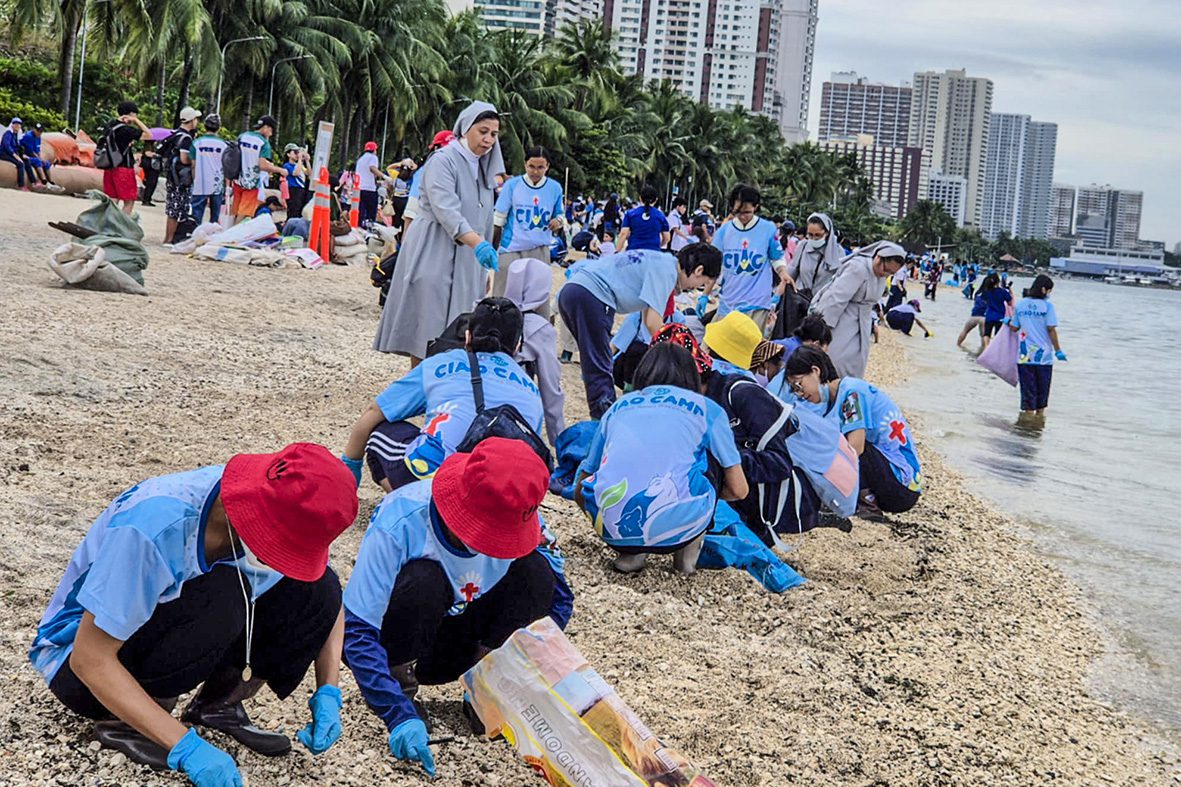
Manila (Philippines). On 20 September 2025, with the theme “Clean seas against the climate crisis,” the Schools and Communities of the Saint Mary Domenica Mazzarello Province (FIL) gathered in Manila to participate in the International Coastal Cleanup (ICC) 2025, the World Volunteer Event for the Protection of Oceans and Watercourses.
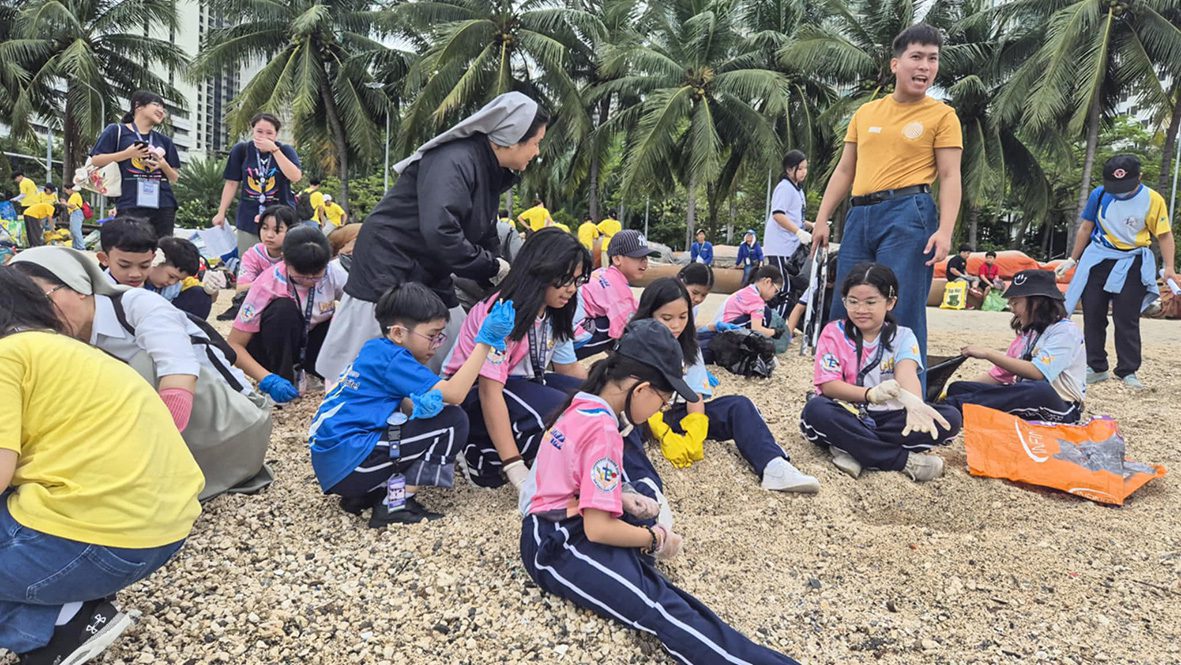
The event was held in the waterfront area of Roxas Boulevard, with the participation of a lively group of volunteers: Daughters of Mary Help of Christians (FMA), directors, teachers, students, and staff of Don Bosco School in Manila, volunteers from VIDES Philippines, students and staff of Mary Help of Christians School in Canlubang, Laguna, and the FMA Novitiate and Aspirant communities.
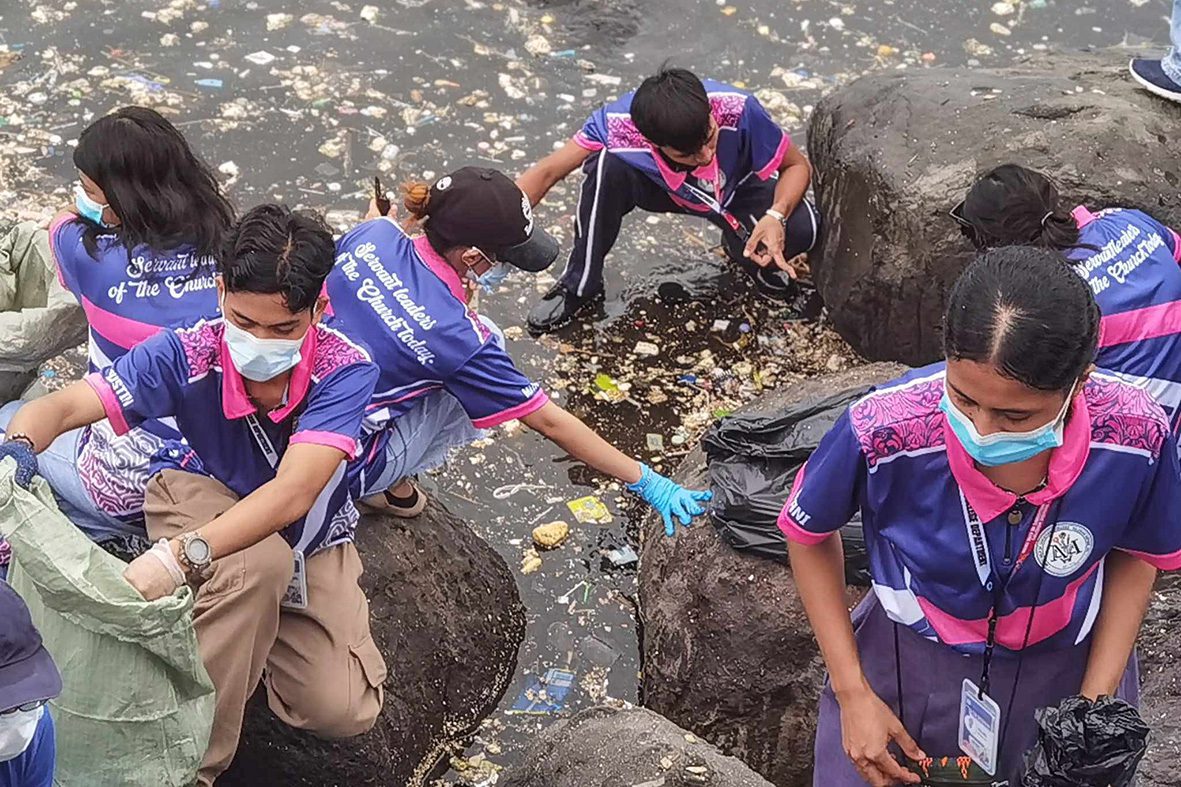
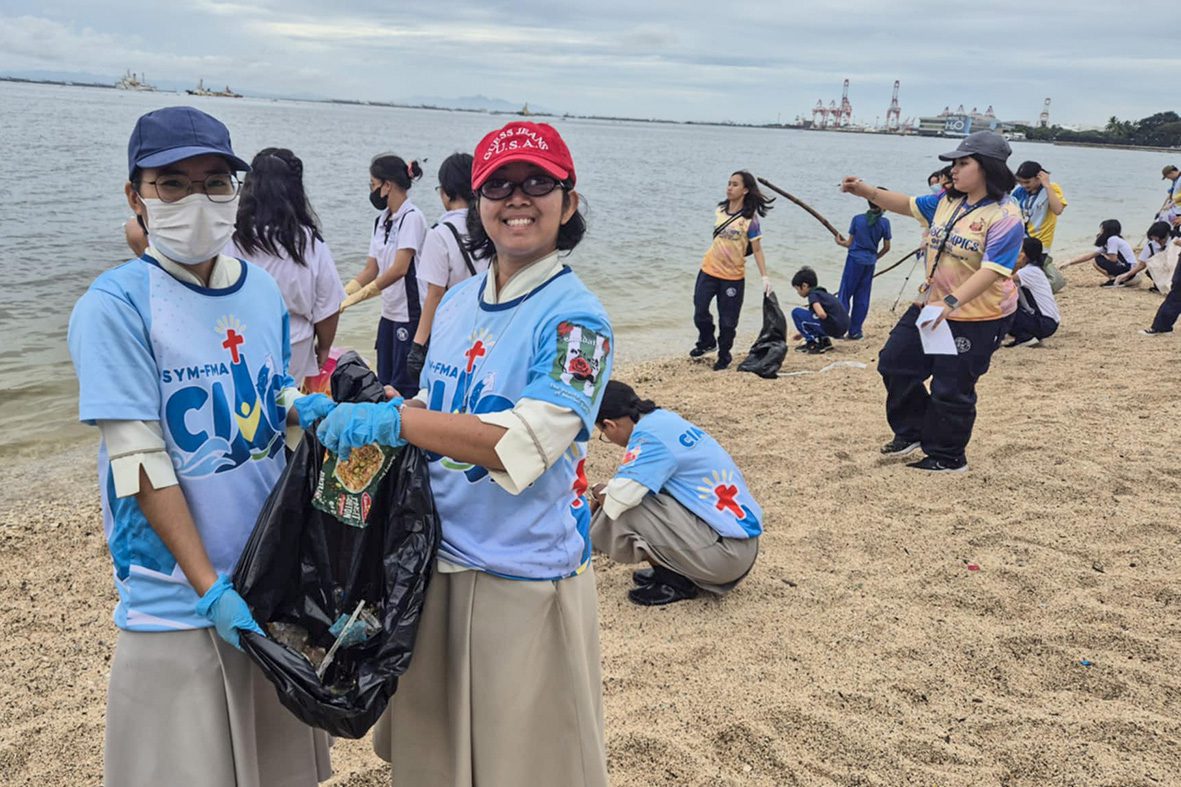
Armed with gloves, bags, and, above all, united by a sense of responsibility towards safeguarding creation, the participants collected plastic waste, candy wrappers, and other trash washed ashore. Among the most common trash collected were small plastic casings, which may seem insignificant, but which pose a danger to marine life. These tiny fragments of plastic often end up in the sea, where fish mistake them for food. Unfortunately, ingesting such waste can cause injury, poisoning or even death to marine species, making clear the urgent need to properly reduce and dispose of plastic trash.
The ICC serves as a reminder that environmental responsibility is a shared mission. Through collaboration, education, and concrete action, the Salesian Family and its collaborators continue to motivate young people to become protectors of the environment and supporters of a sustainable lifestyle.
The day ended with smiles full of hope, tired but satisfied hands, and a renewed commitment to echo Don Bosco’s invitation to form “good Christians and honest citizens” who also take care of creation.
“It is very noble to take on the task of caring for creation with small daily actions, and it is wonderful that education is capable of motivating them to the point of shaping a lifestyle. Edcuation to environmental responsibility can encourage various behaviors that have a direct and important incidence in caring for the environment” (Laudato Si’ 211).