
Rome (Italia). April 22, 2025 is the 55th International Day of Mother Earth, established by the UN in 1970 to foster a collective ecological awareness for a sustainable future for the new generations, questioning governments and individuals about the impact of their actions on the environment.
The theme chosen this year – “Our power, our planet“ resonates as a strong call to shared responsibility. As Pope Francis points out in Laudato Si’, “humanity still has the capacity to work together to build our common home” (LS. 13).
This concept finds its full expression in the call to recognize the transformative power of communities, educative institutions and individuals in shaping a sustainable future. In an era of climate crisis and growing inequality, the day represents a crucial opportunity to translate environmental awareness into concrete actions inspired by the principles of integral ecology.
The Apostolic Exhortation Querida Amazonia offers further food for thought, affirming that “a true ecological approach must always consider the social dimension” (QA, 8). In this perspective, the 2025 theme calls for overcoming the dichotomy between humanity and nature, recognizing that human power lies precisely in the ability to create synergies between progress and environmental protection.
In the various educative institutions run by the Daughters of Mary Help of Christians, initiatives are constantly promoted to protect creation. For example, three concrete realizations are proposed among the many initiatives spread in different contexts:
Bishop Cavallera Secondary School for Women (Marsabit, Kenya)
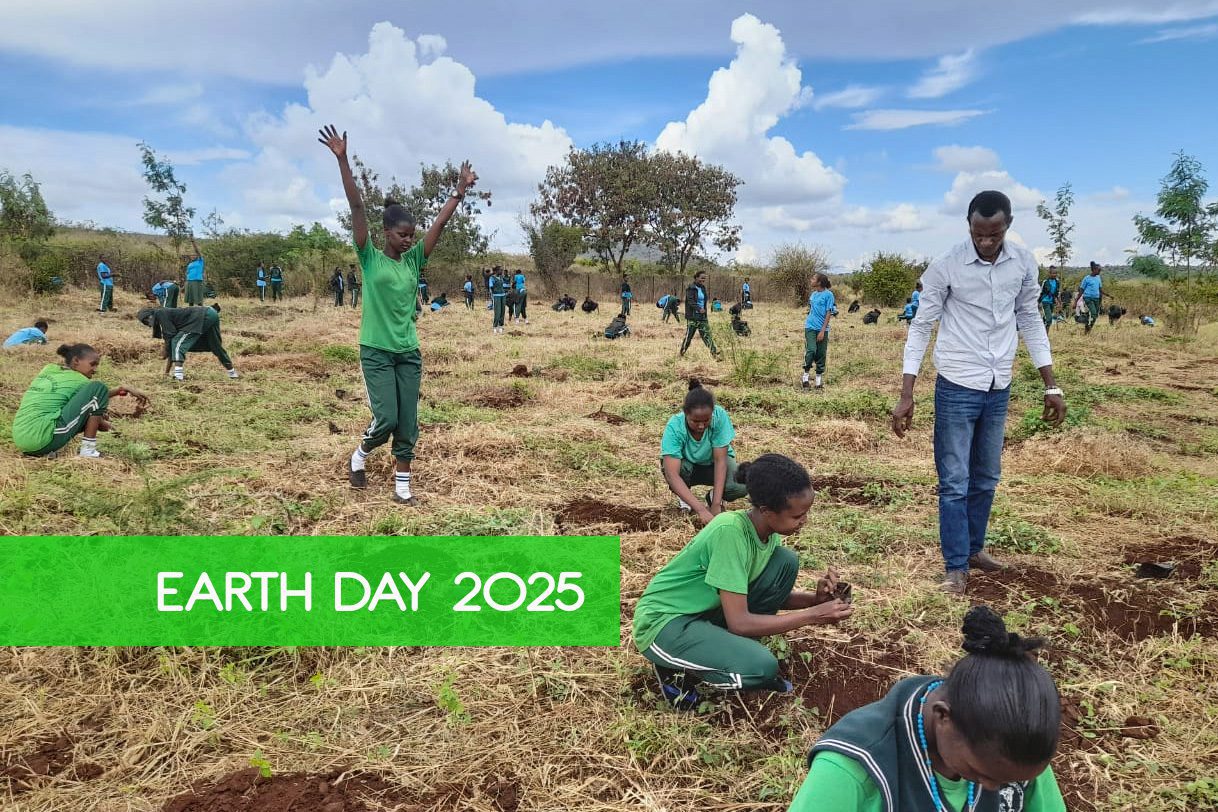
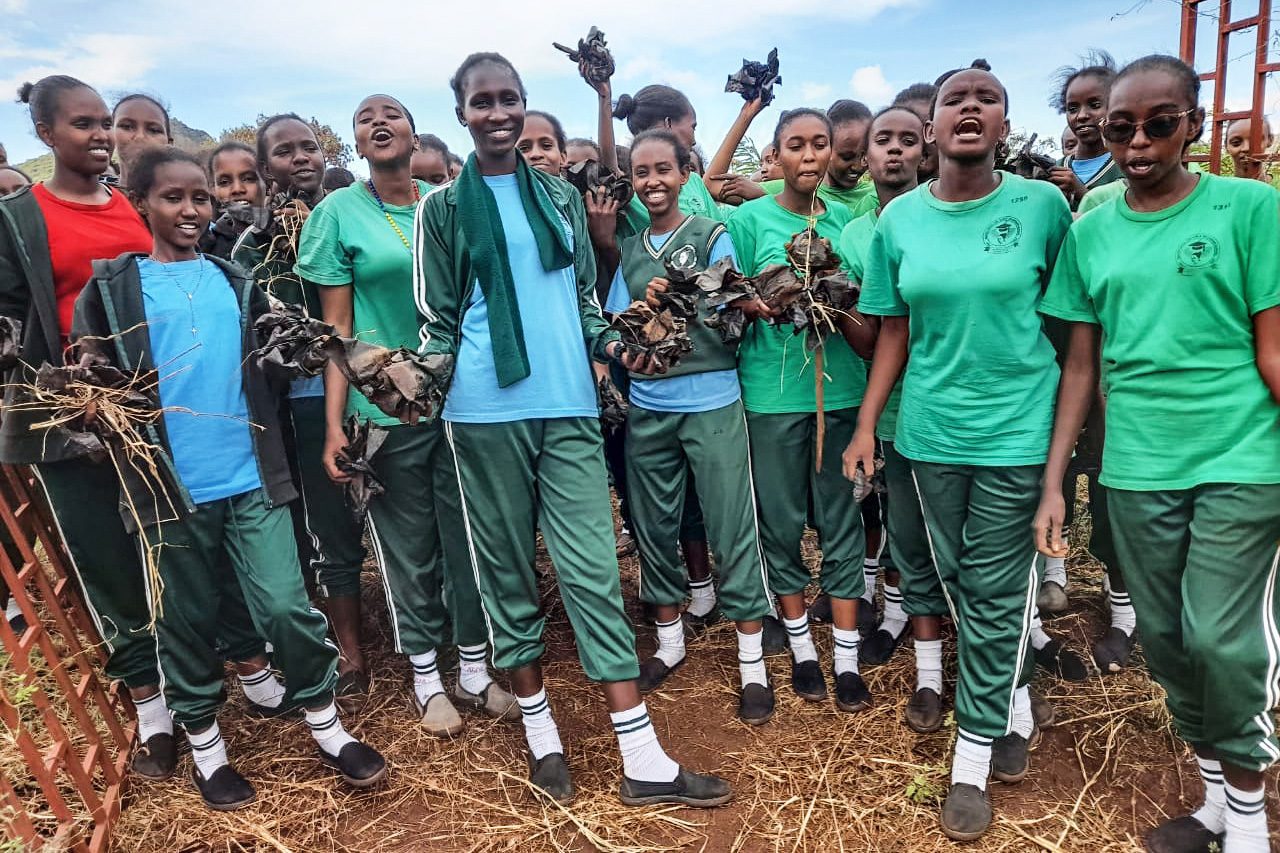
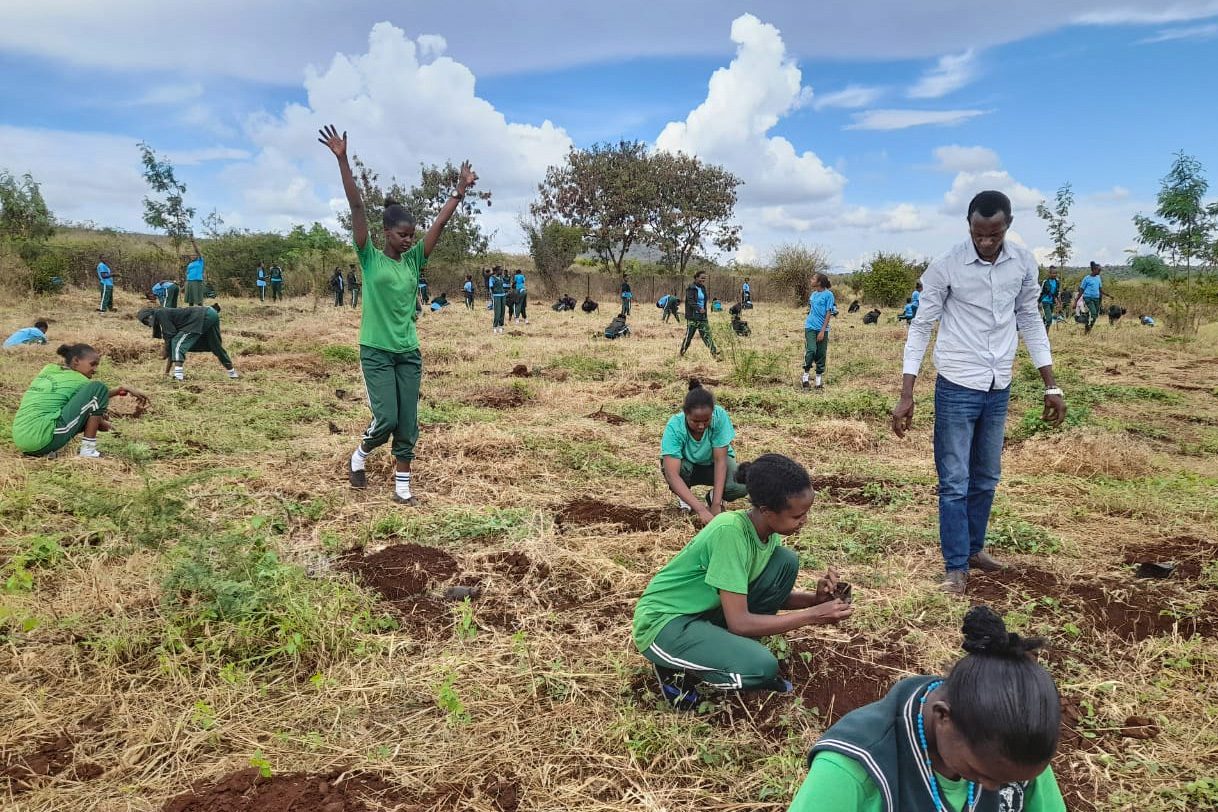
In the arid and semi-arid region of Marsabit, Kenya, Bishop Cavallera Secondary School for Women, run by the Daughters of Mary Help of Christians of Our Lady of Hope Province (AFE), is distinguished by its concrete commitment to caring for creation. In an extremely fragile environment, where water scarcity is a daily challenge, the Institute has adopted a symbolic and, at the same time, revolutionary practice: each student plants a tree and takes care of it personally, ensuring irrigation and growth.
Thanks to this initiative, the school has become a true green oasis, a living contrast to the surrounding arid landscape. The project, launched in 2018 and renewed in 2023 and 2025, not only contributes to the fight against desertification, but educates young women to ecological responsibility. Despite the challenges of lack of water, the ongoing commitment of the school community shows that even in the most adverse conditions, it is possible to build a more sustainable future.
Auxilium Women’s School (Agartala, India)
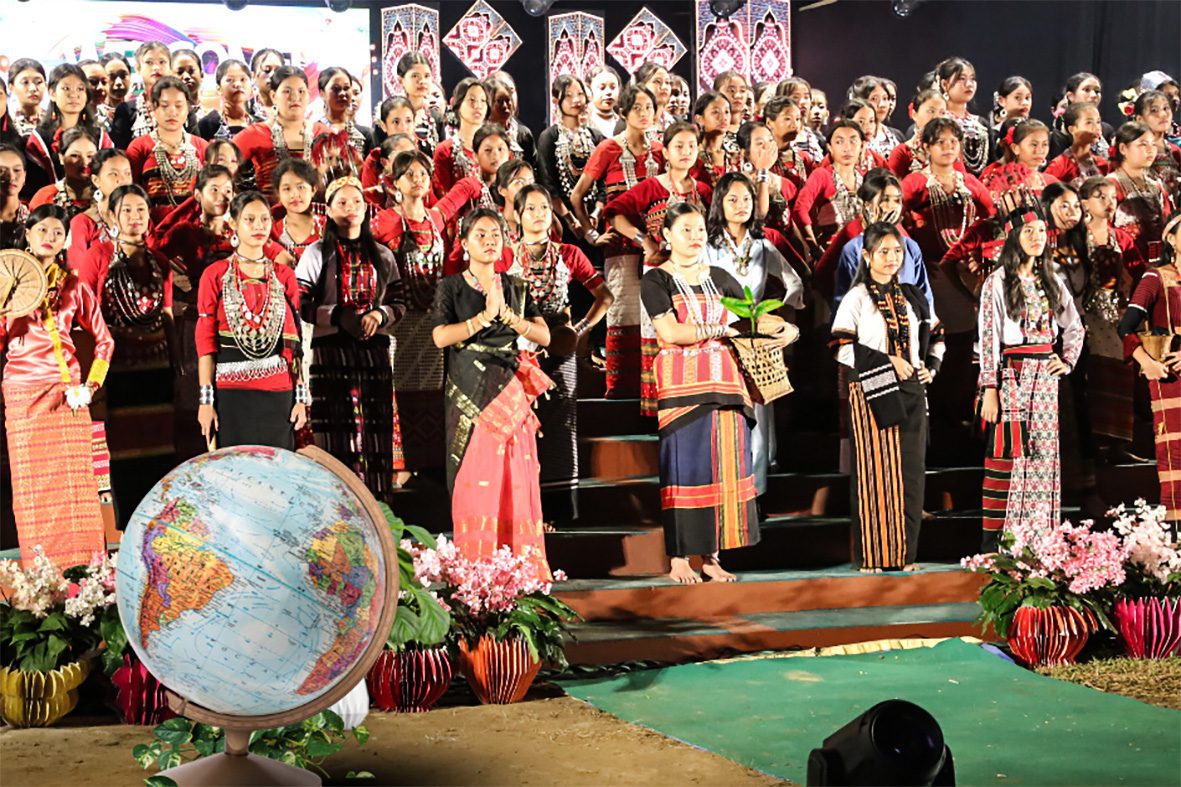
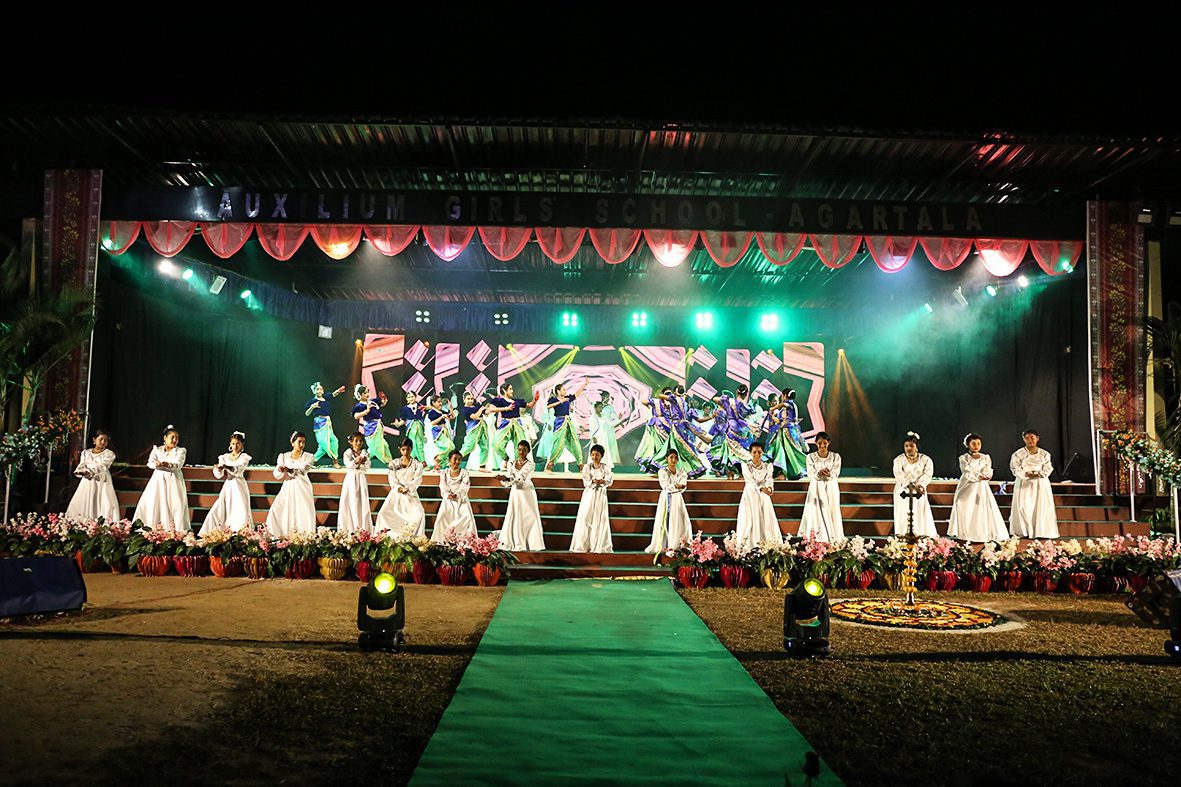
The Auxilium Women’s School in Agartala, of Immaculate Heart of Mary Province (INS) in Shillong, dedicated its 20th Annual Day celebration to environmental sustainability, bringing together more than 3,000 participants. The event had a theatrical performance entitled, “A Shared Dream for a Sustainable and Thriving Planet”, performed by the students with great commitment. Through dialogues and symbolic images, the performance highlighted challenges such as deforestation and pollution, underlining the urgency of collective action to protect the planet. In addition to the show, other performances have integrated ecological themes, making the celebration a culturally enriching experience.
Our Lady of Peace Province – Bolivia
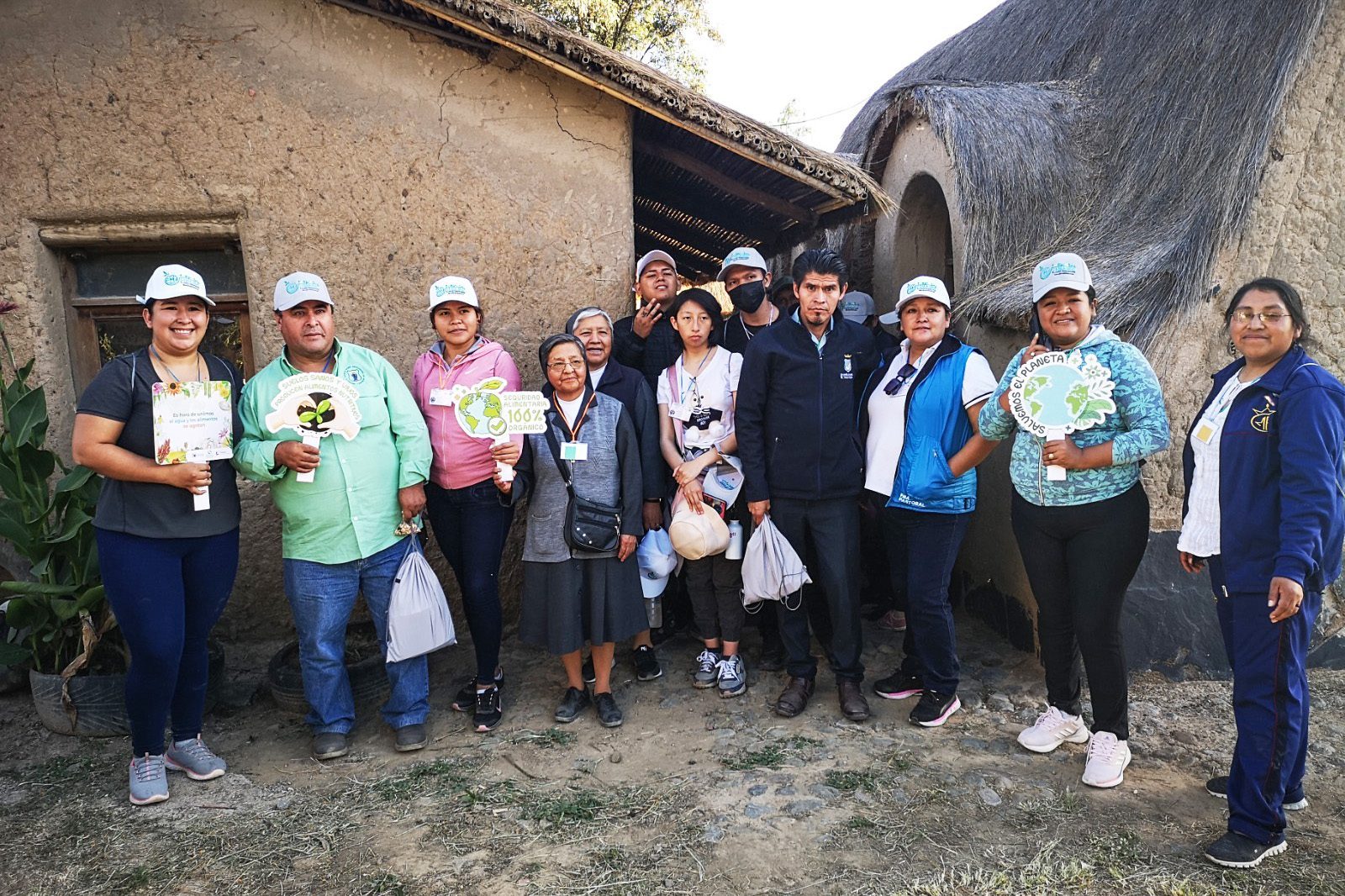
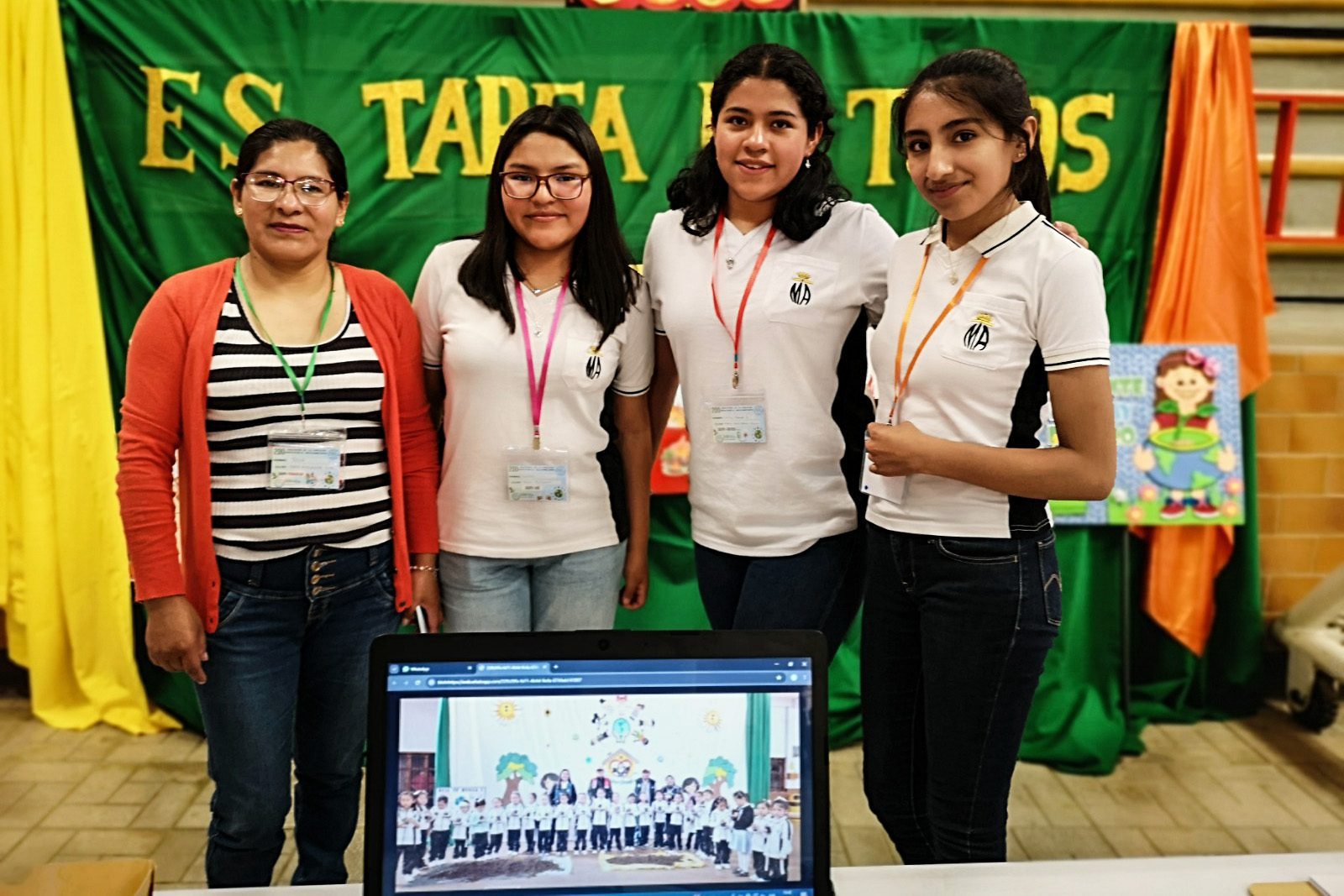
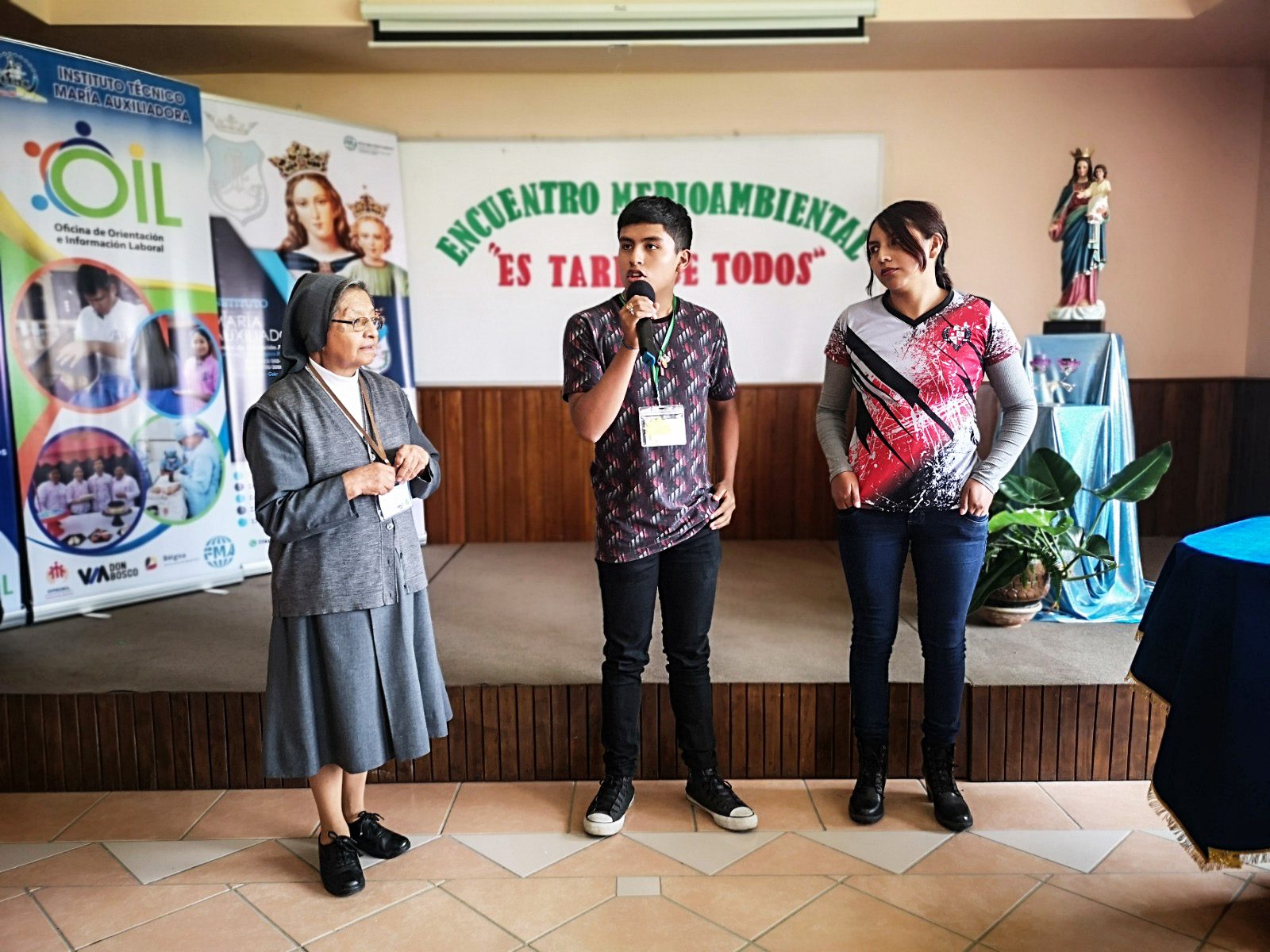
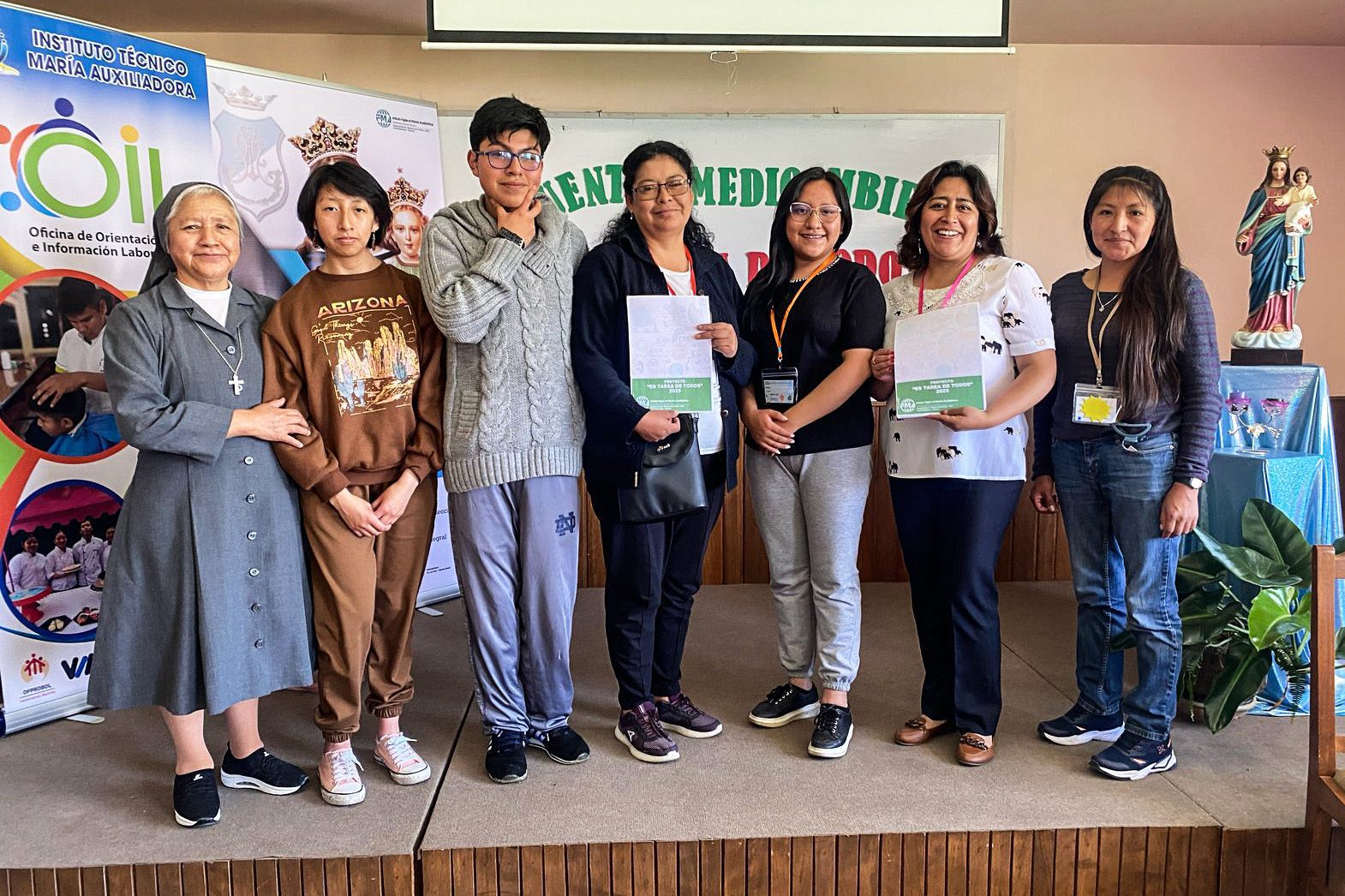
A Province Environmental Commission was formed in the BOL Province (CIMA), composed of FMA and lay people. This body has developed an environmental policy structured and articulated in nine concrete areas of action: from the application of the ecological 5R (Reduce, Reuse, Recycle, Respect, Rethink) to the planting of trees; from energy saving to sustainable waste management, to the promotion of public transport and the formation of educating communities. This commission accompanies the development of the project, “Es tarea de todos” in each of the communities of the Province.
The initiative is the operational heart of this commitment, with annual meetings at the national level to monitor targets and strengthen actions in line with environmental policy. The project, inspired by the third option of the General Chapter, “Networking in the perspective of integral ecology,” demonstrates how a systemic and participatory approach can translate the principles of Laudato Si’ into daily practices, actively involving the whole educating community in a concrete path of ecological conversion.
The experience of the Bishop Cavallera School in Kenya, the Auxilium School in India, and the work of CIMA in Bolivia show that ecological education is possible in all contexts. These examples show how small everyday gestures – from planting a tree, to s cultural spectacle, to reducing waste – can generate real change.
In view of Earth Day 2025, these initiatives demonstrate that taking care of the planet is not only an environmental duty, but represents a true act of love towards creation and future generations.