
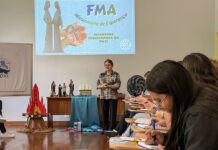




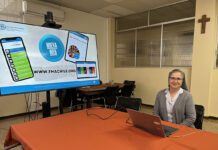
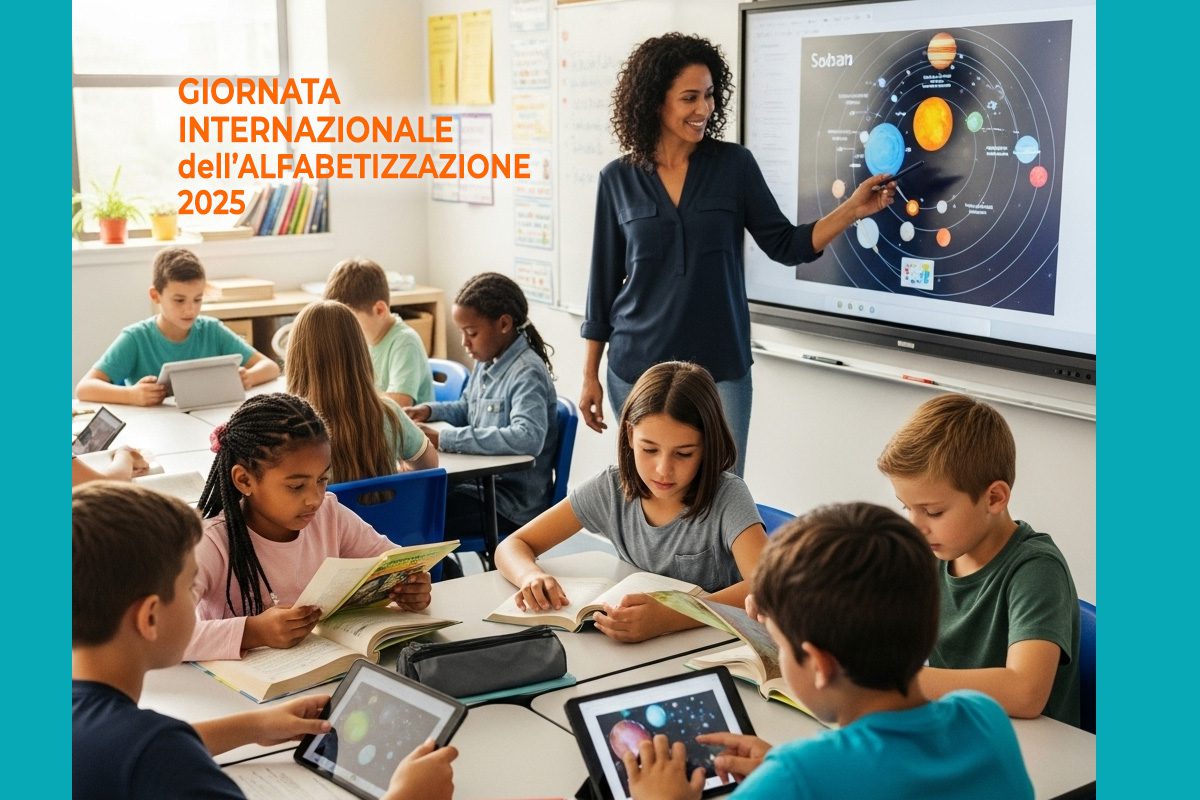
Rome (Italy). International Literacy Day (ILD), established in 1966 by the United Nations Educational, Scientific, and Cultural Organization (UNESCO) to raise awareness and draw attention to the importance of literacy at the local, national, and international levels, is celebrated on 8 September 2025. ILD 2025 aims to celebrate progress in literacy globally and reflect on how literacy, learning, programs, and policies should be designed, managed, and monitored in a digitalized world.
The theme of Day 2025, “Promoting literacy in the digital age”, highlights the need to acquire skills and use digital tools to progress in today’s digital age. Digital literacy is an important tool for personal empowerment, active and transformative participation in society, and social inclusion. UNESCO, the UN agency charged with reminding the international community of the state of literacy and adult learning globally, stresses that: “Literacy is a key to making transformation inclusive, sustainable, relevant, and meaningful. Beyond reading and writing on paper, literacy in the digital age allows people to access, understand, evaluate, create, communicate, and interact with digital content in a safe and appropriate way. Literacy is also key to promoting critical thinking, distinguishing credible information, and navigating complex information environments.”
Although the transition to digital may offer new learning opportunities, broadening horizons for individuals on the margins of society, it nevertheless risks “creating a double marginalization: exclusion not only from traditional learning, but also from the benefits of the digital age.”
According to the data of UNESCO, these marginalized groups include 754 million illiterate persons over the age of 15 (women account for two thirds of the illiterate adult population), 250 million children lacking basic literacy skills, and some 75 million children who are out of school, attending irregularly or dropping out.
The challenge of global illiteracy therefore requires continuous and targeted efforts to achieve sustainable development goal (SDG) number 4, namely quality education. Digitalization also raises other critical issues, including issues relating to privacy, protection of personal data, digital surveillance, strengthening prejudices, ethics, risk of passive consumption, and environmental impact.
A story of hope
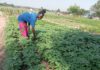
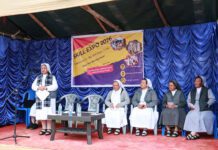
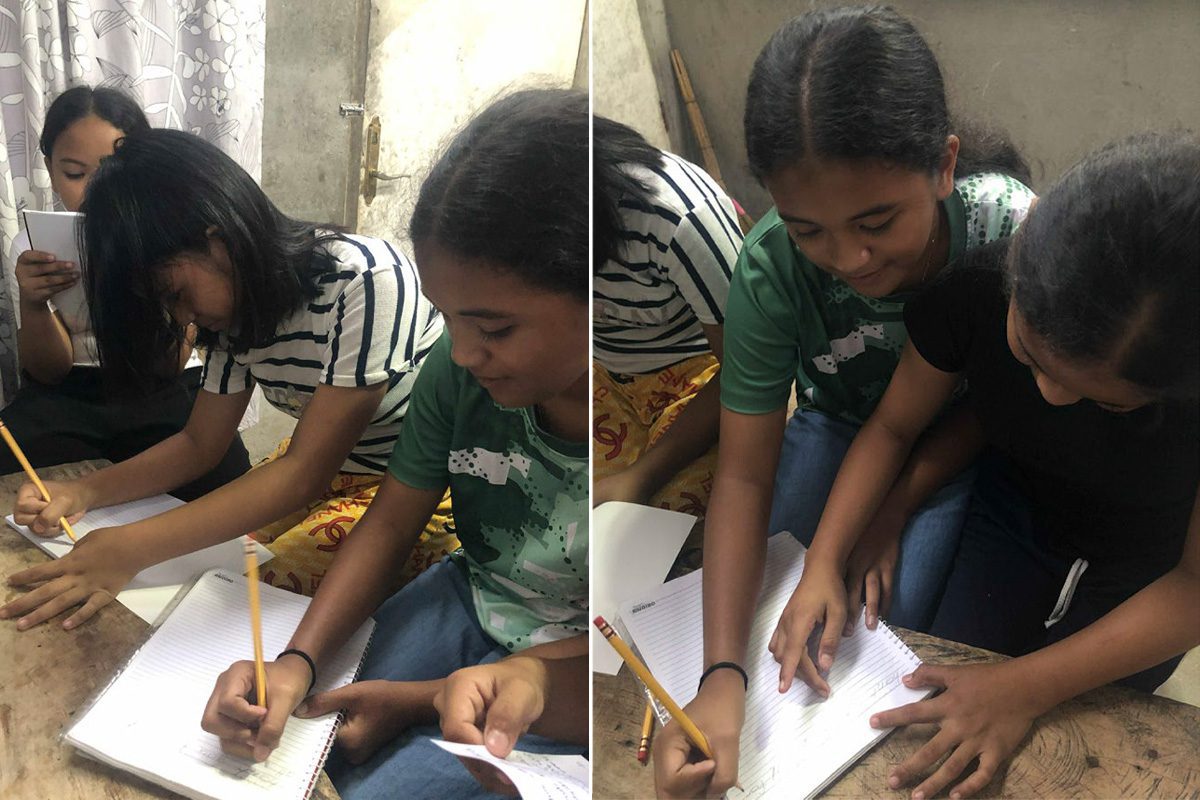
This Day is also an opportunity to celebrate the nearly four billion literate people around the world, particularly those from communities on the fringes such as the Aeta of the Philippines who have found hope through education. It started when ACTS Singapore, supported one of the outreach projects of Mary Help of Christians Community in Pampanga, of Saint Mary Domenica Mazzarello Province (FIL), offering scholarships to nine young Aeta.
For many Aeta, pursuing higher education was unthinkable. The determination, tenacity, and commitment of these nine students paid off when they managed to complete their studies. Three became teachers, three degreed in social work, and three others became policemen. Their examples sparked hope in the Aeta community and encouraged young people to believe they can overcome poverty, discrimination or misunderstanding, and achieve a brighter future through learning. These nine young Aeta have demonstrated that even when the road is difficult and means are limited, dreams can be realized if you find the support of people of good will and believe in your ability to create change.
Today, the younger generation of Aeta are slowly transforming the community perspective regarding education. The courage of these nine students is proof that, when young people are supported, guided, and valued, they can dream big and fly higher. Their story assures every Aeta child that education is not just a possibility; it is their right, their key, and their future.
The Human Rights Office of the International Institute Mary Help of Christians (IIMA) in Geneva has always promoted the right to education, as it believes in the dignity and potential of every person to be a free, active, and responsible agent of transformation in society.
Literacy, as a common good and a human right, must be promoted and guaranteed. It requires, above all, effective policies and interventions by the State and a network of partnerships between government, civil society, and private individuals who believe in the transformative power of education if we want to build more inclusive, just, and sustainable societies.
L’Ufficio per i Diritti Umani dell’Istituto Internazionale Maria Ausiliatrice (IIMA) di Ginevra ha sempre promosso il diritto all’istruzione, poiché crede nella dignità e nel potenziale di ogni persona di essere un agente libero, attivo e responsabile di trasformazione nella società.
L’alfabetizzazione, in quanto bene comune e diritto umano, deve essere promossa e garantita. Richiede, soprattutto, politiche e interventi efficaci da parte dello Stato e una rete di partenariati tra il governo, la società civile e i privati che credono nel potere trasformativo dell’educazione, se si vogliono costruire società più inclusive, giuste e sostenibili.